Carbon-to-materials / Success case
Getting a carbon-to-materials company ready for a $10M round
Repositioning, investor deck, design and website. Round led by two new strategic investors, with existing backers participating.Client details are anonymised at the company’s request.
At a glance
Round raised
$10M
Led by two new strategic investors, with existing backers participating.
- PilotProven
- Demo plantIn progress
- First plantCommercial, 2028
- ReplicationLicensing
Strategic lead
Venture arm of a global building materials group
Strategic partner and eventual customer, now on the cap table
Next step
Industrial-scale deployment
Through industrial partners
Client
CO2 mineralisation platform making a carbon-negative additive for concrete
- Better performance
- Lower cost
- Lower carbon intensity
Scope
- Narrative and positioning
- Investor deck
- Deck design
- Website
The challenge: the wrong category, on two surfaces
The category
Investors file carbon capture under “environment”: policy risk, subsidy dependence and a decade to revenue. Most funds won’t finance that.
The stage
At Series A everybody buys progress: the pipeline, the validation, and the path from pilot to demo plant to first commercial facility.
The website
Wordy, inward-facing, and it looked like a seed-stage startup while the deck pitched a billion-dollar company.
The story: a materials company, not a carbon company
The deck opened with heavy industry’s emissions problem and presented the technology as the fix.
That’s a carbon capture pitch, and it lands in the environment bucket every time: policy risk, subsidy dependence and a decade to revenue. Most funds won’t finance that as a category.
The deck opens with the buyer: concrete producers need materials that perform better and cost less, and the company makes one.
The CO₂ it’s made from is the feedstock, and the carbon reduction is one of several benefits. The environmental case is still in the deck; it just stopped being the reason to invest.
What we learned: why carbon capture companies struggle to raise
The label does the damage. Investors see “carbon” and price in everything that goes with it, and the funding shows it.
- $827M to $450M: disclosed carbon capture equity funding, 2024 to 2025
- $111M raised in 2026 to 21 September, against about $402M over the same period in 2025
- 51% of climate investors call first commercial plants the hardest stage to finance
- 69% expect funding for first-of-a-kind plants to shrink through 2026
Impact-first pitches miss too: a tonne of CO₂ avoided has no buyer unless someone pays for it, and nobody funds a second pilot, only the step from pilot to plant.
What gets funded
Three things get a climate materials company funded in 2026.
A product with a buyer
Communication focused on customer outcomes and cost savings. The deck reads like a materials company.
Validation with the customer
Offtakes convince investors. A pilot with a strategic is the step before that.
Staged scale-up
Milestone-based financing: each stage with its own capital, its own risk and its own proof.
What investors pushed on, and how the deck answers it
The commercial team, strengthened with building materials veterans, went up front. Then the three questions every investor asked:
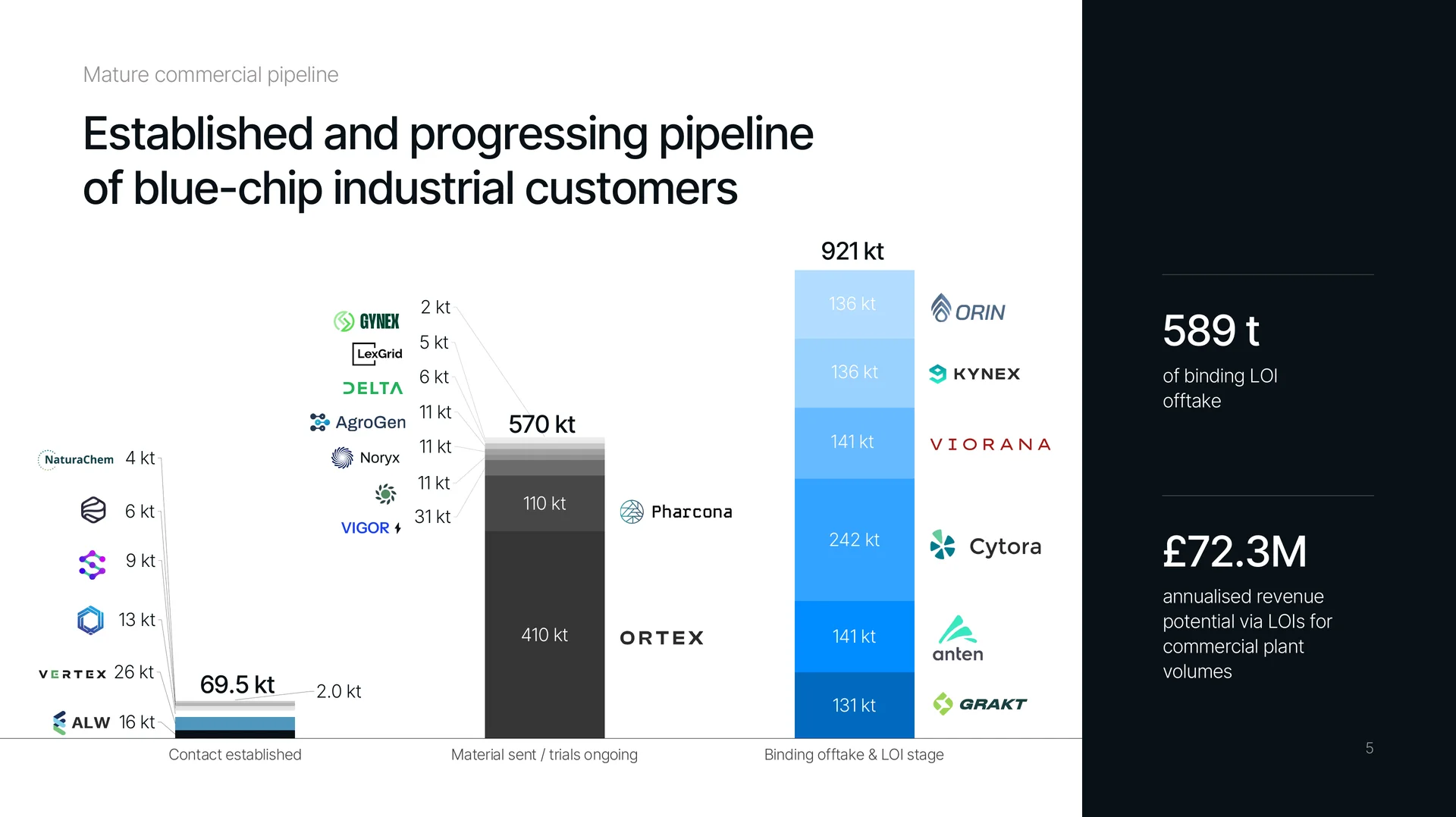
Distance from market.
A pilot with a global building materials group, demonstrated, and deployment through industrial partners as the next step.
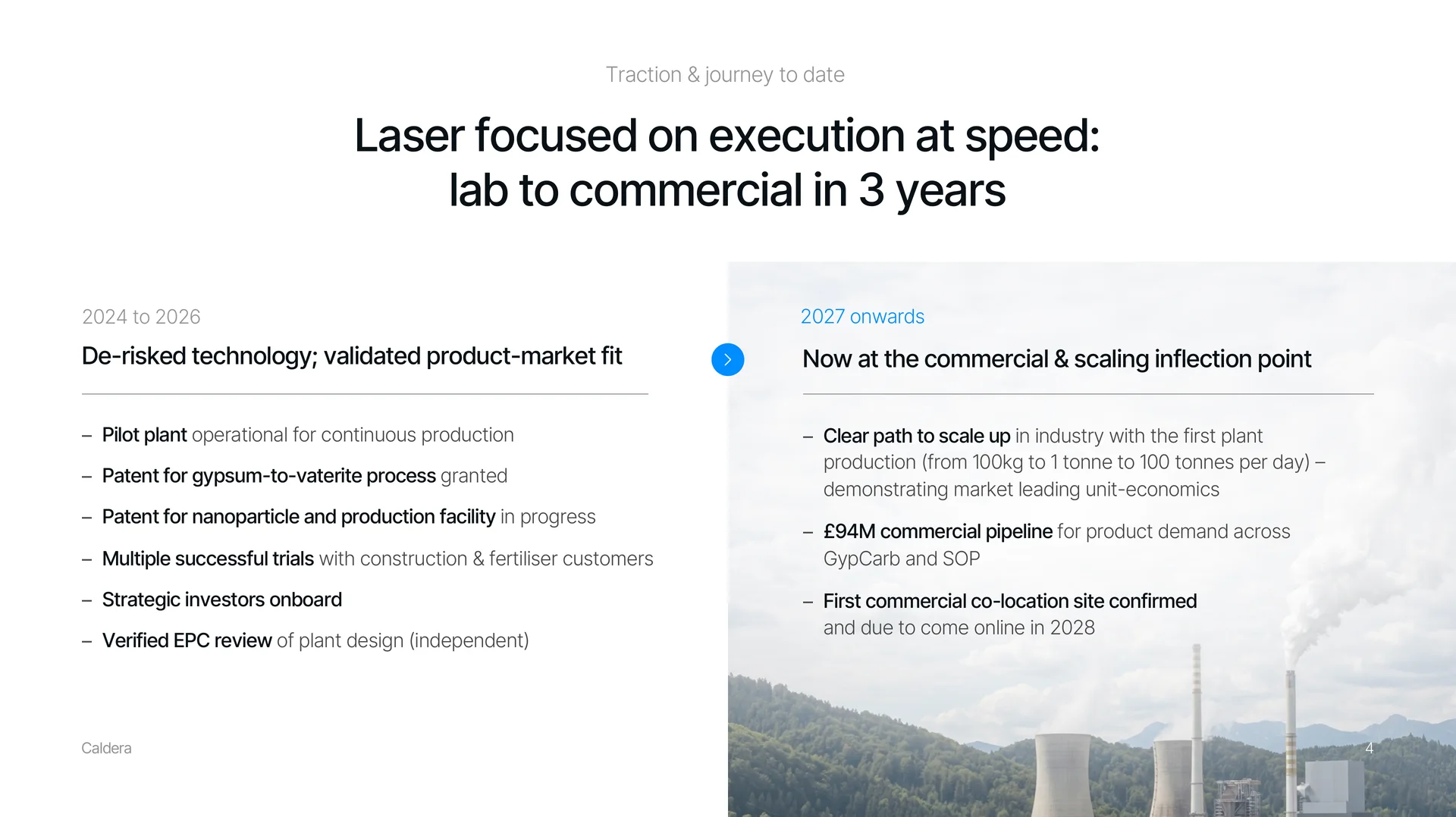
Capex.
A staged path: a demo plant first, then a first commercial plant next to a strategic partner, each sized to the last.
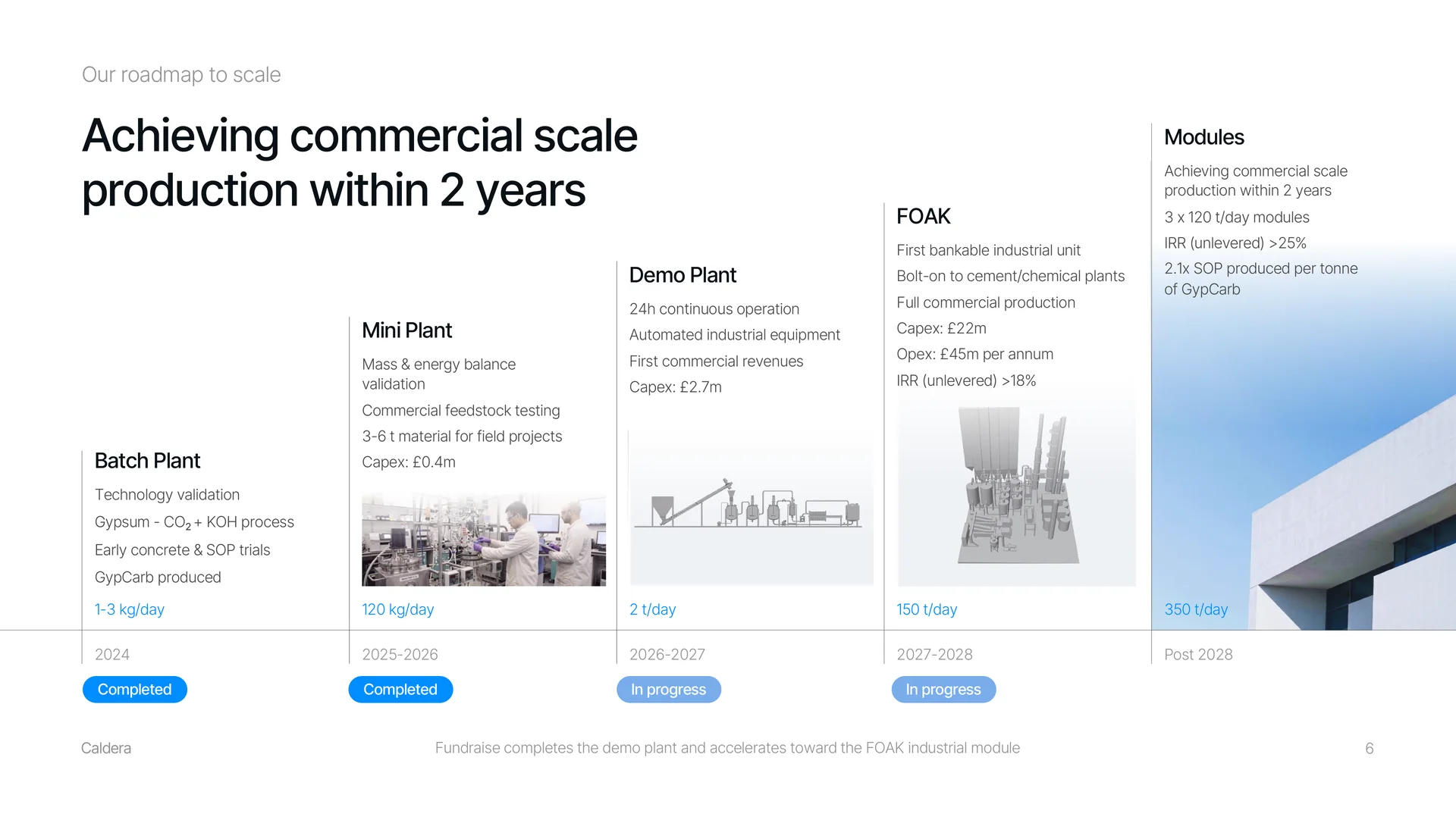
Validation.
The pipeline broken into stages, with what each partner has tested and where each one sits.
What we did: the deck and the website
One repositioning, carried across both surfaces investors and buyers see.
Narrative
A billion-dollar materials business: vision, market, product and proof up front, technical depth at the back.
Progress section
Pipeline by stage and validation per stage, partner by partner, as investors asked.
Scale-up path
Demo plant, first commercial plant and replication, with the capital each step needs.
Deck design
A new visual system, so the deck looks like the company the narrative describes.
Website
Written for two readers: the investor checking after the deck, and the industrial buyer.
Industrial look
What the material does and where it’s used, real imagery, real numbers, a next step for each reader.
Results
- $10M raised, with existing backers participating
- 2 new strategic investors led the round
- Cap table now includes a strategic partner and eventual customer
- Scale-up positioned for industrial-scale deployment with a global building materials group
- Deck and website telling the same story to investors and industrial buyers
The investor deck


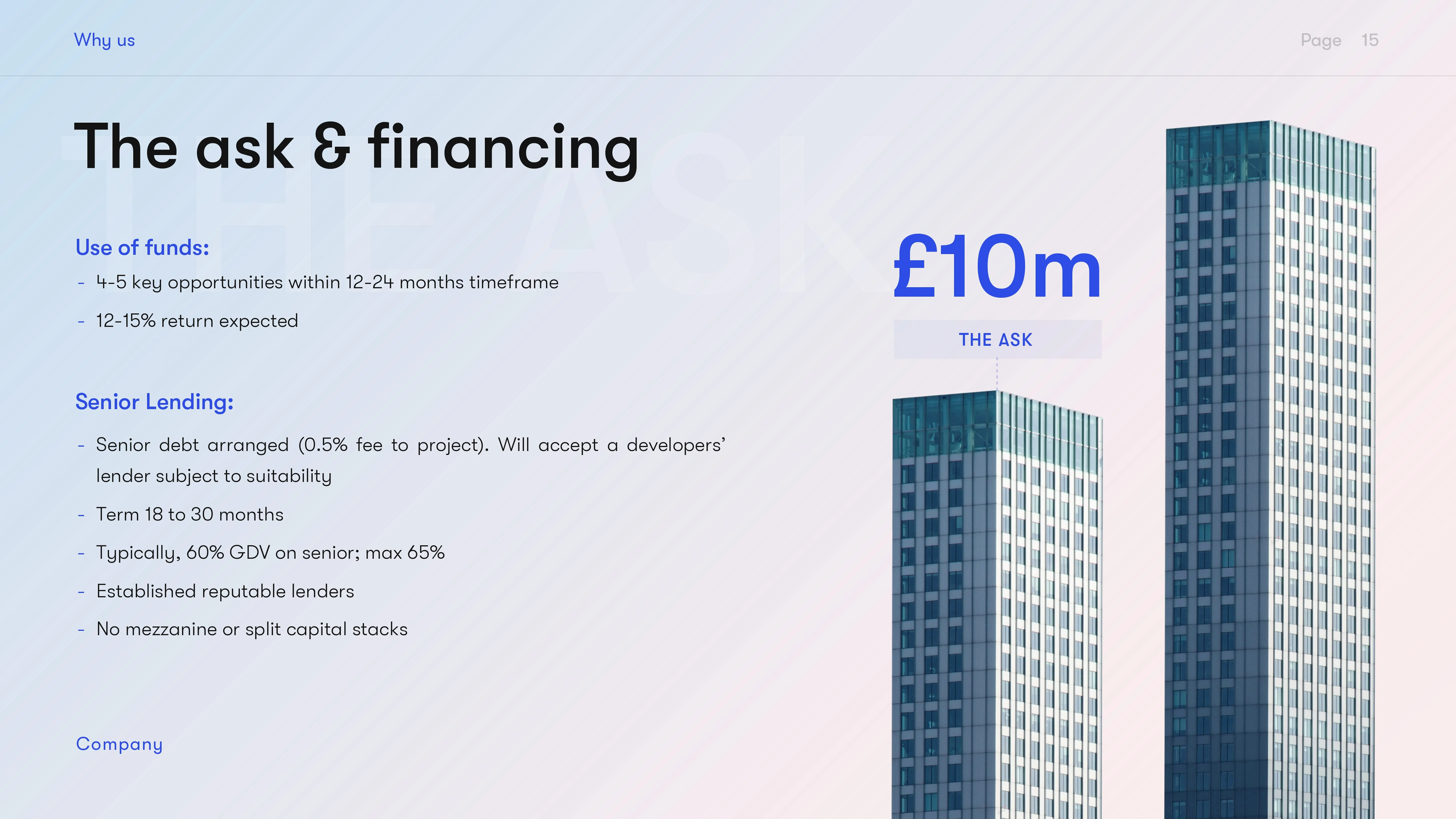
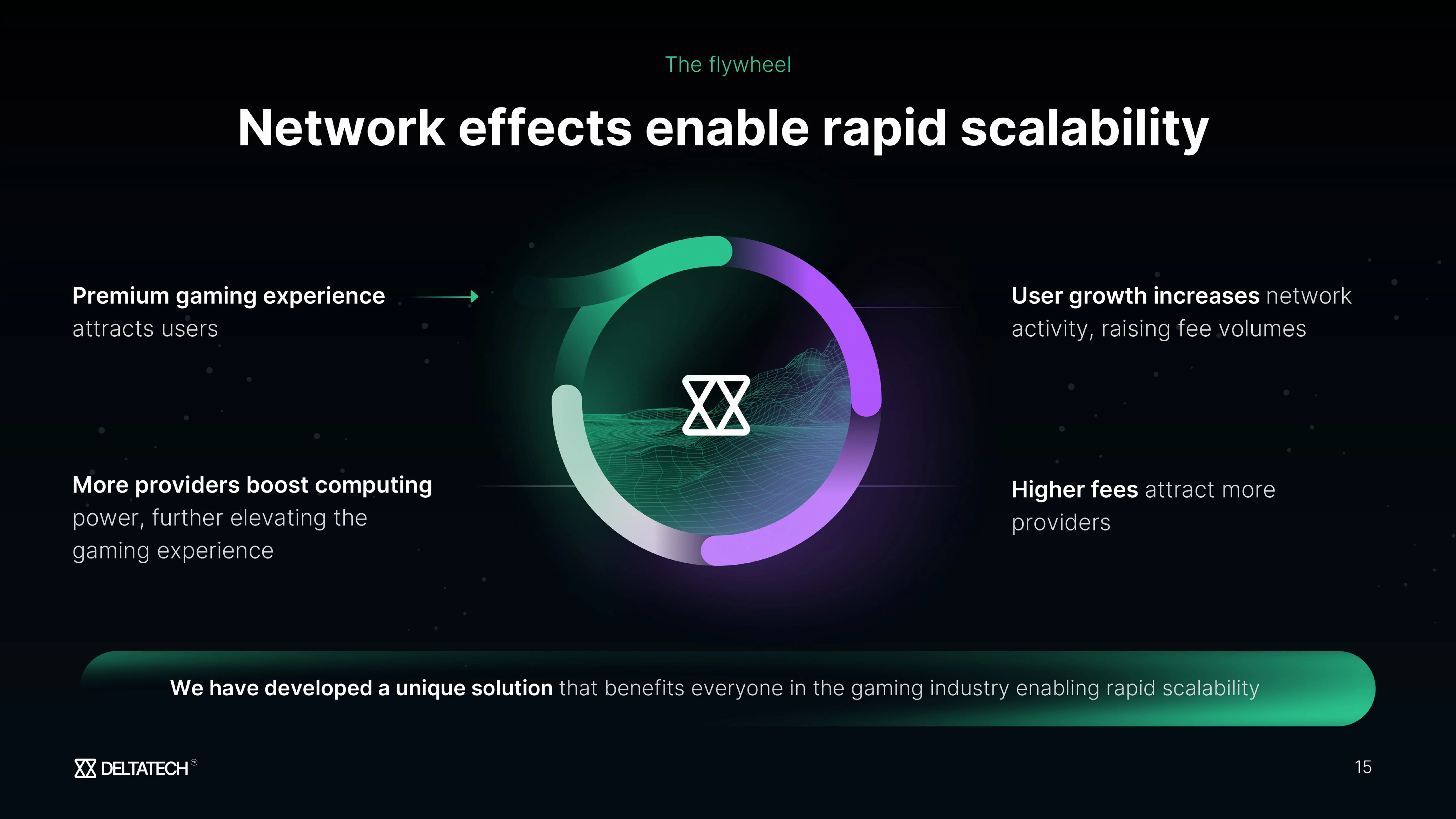
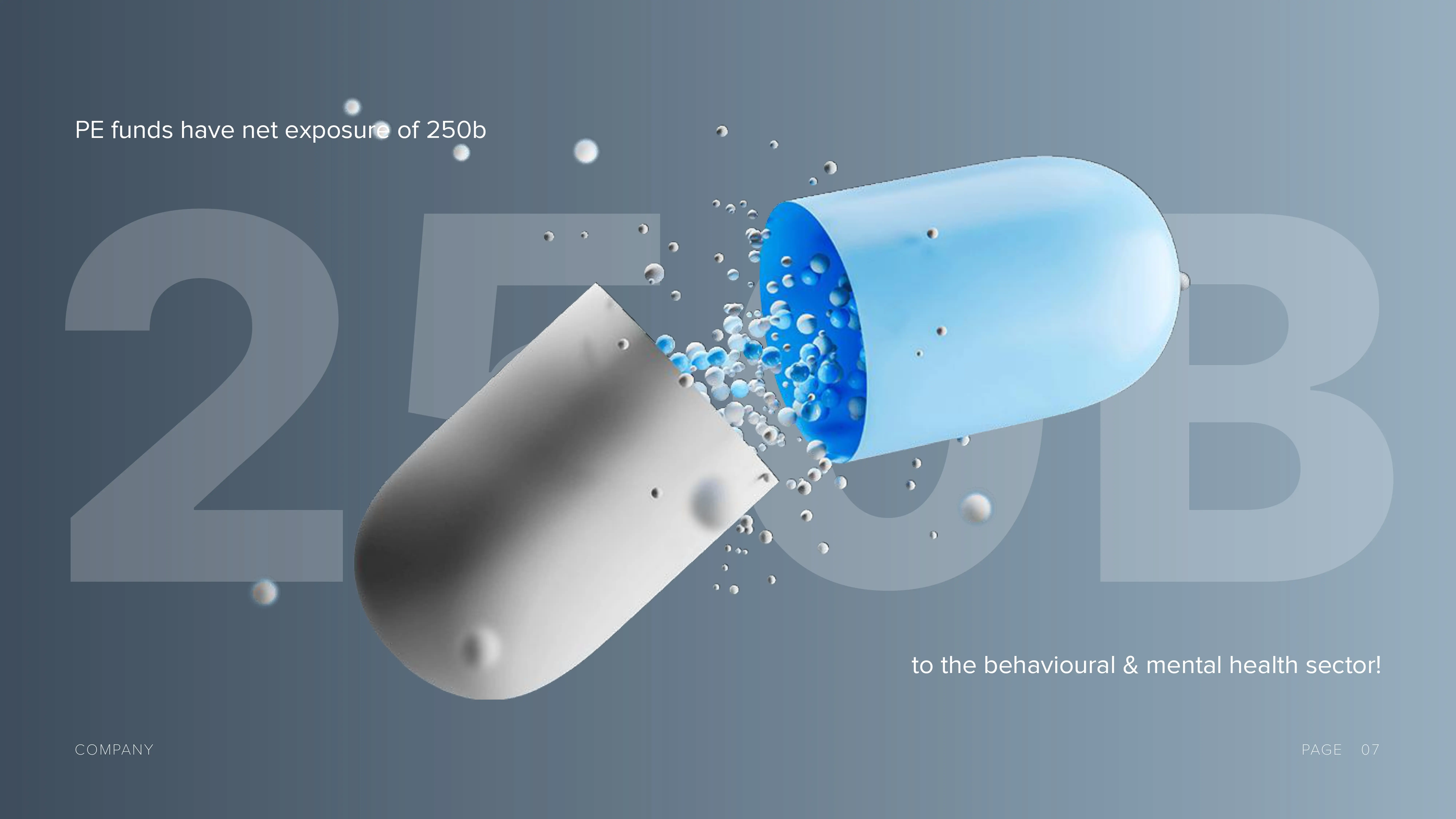

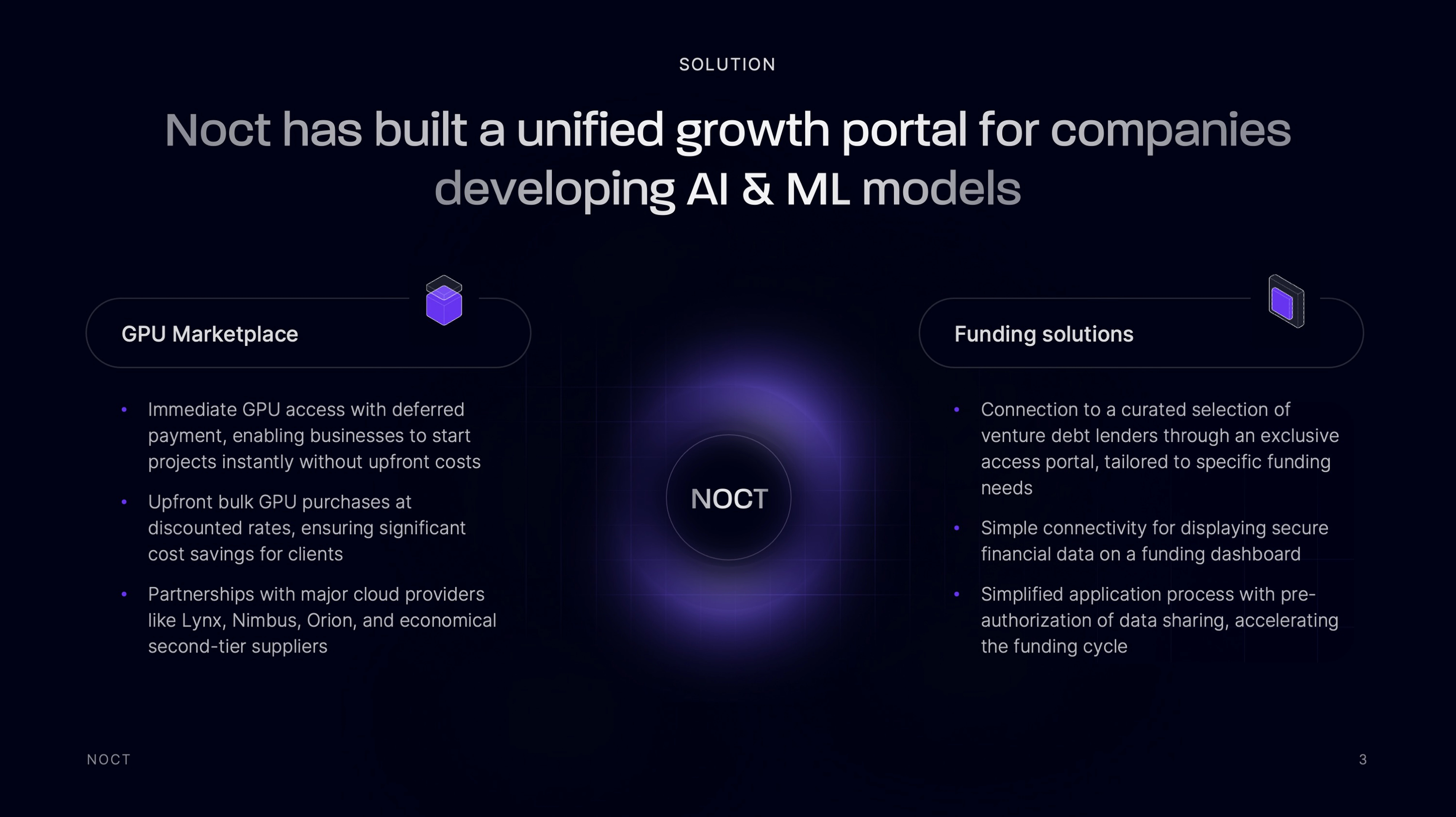




 $100Mraise at a $500M valuation
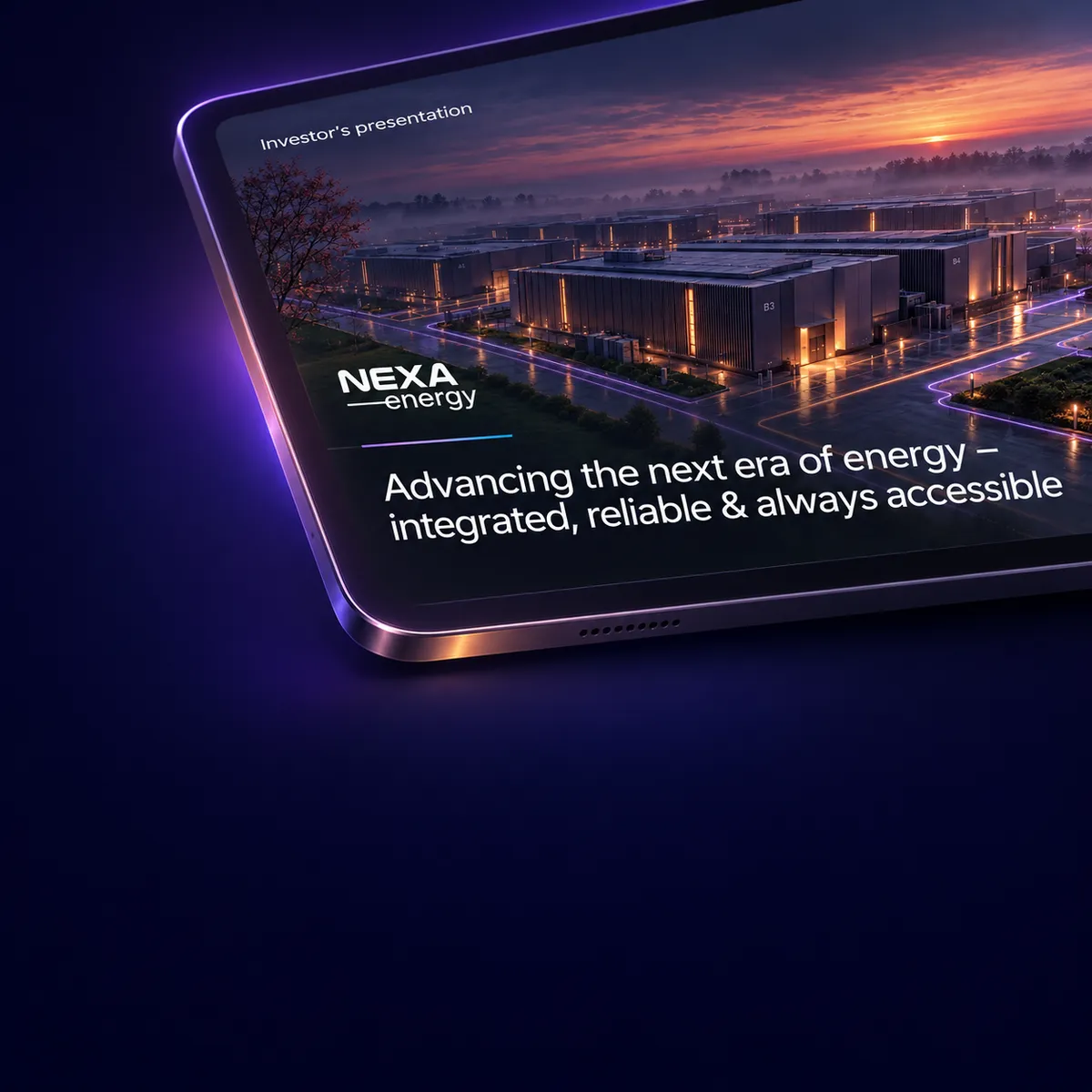
Getting an integrated energy platform ready for a $100M raise at a $500M valuation
Read the story $75Mrevenue group, buyout financed
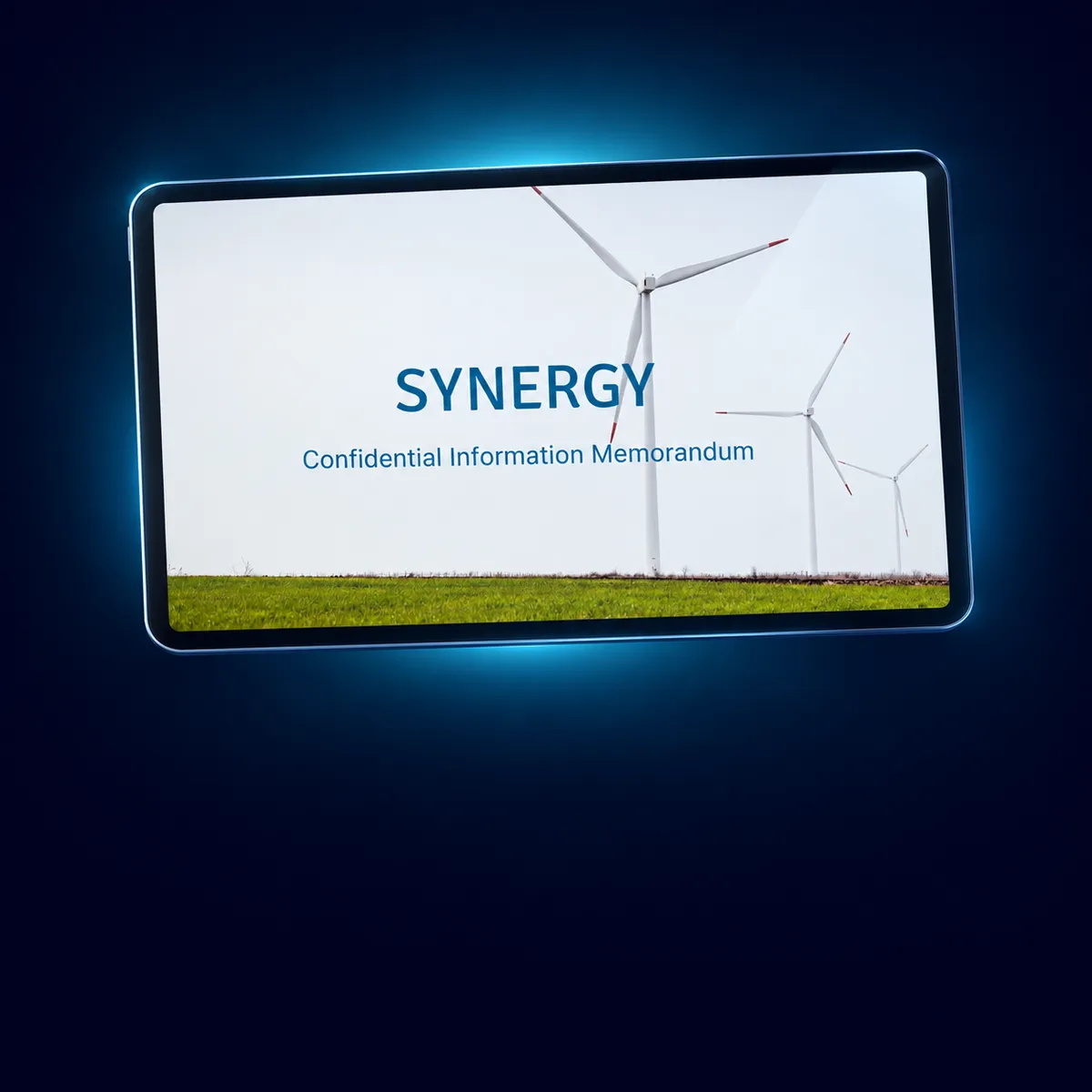
The CIM behind the buyout of a $75M-revenue utility and power group
Read the story $3Mseed round closed
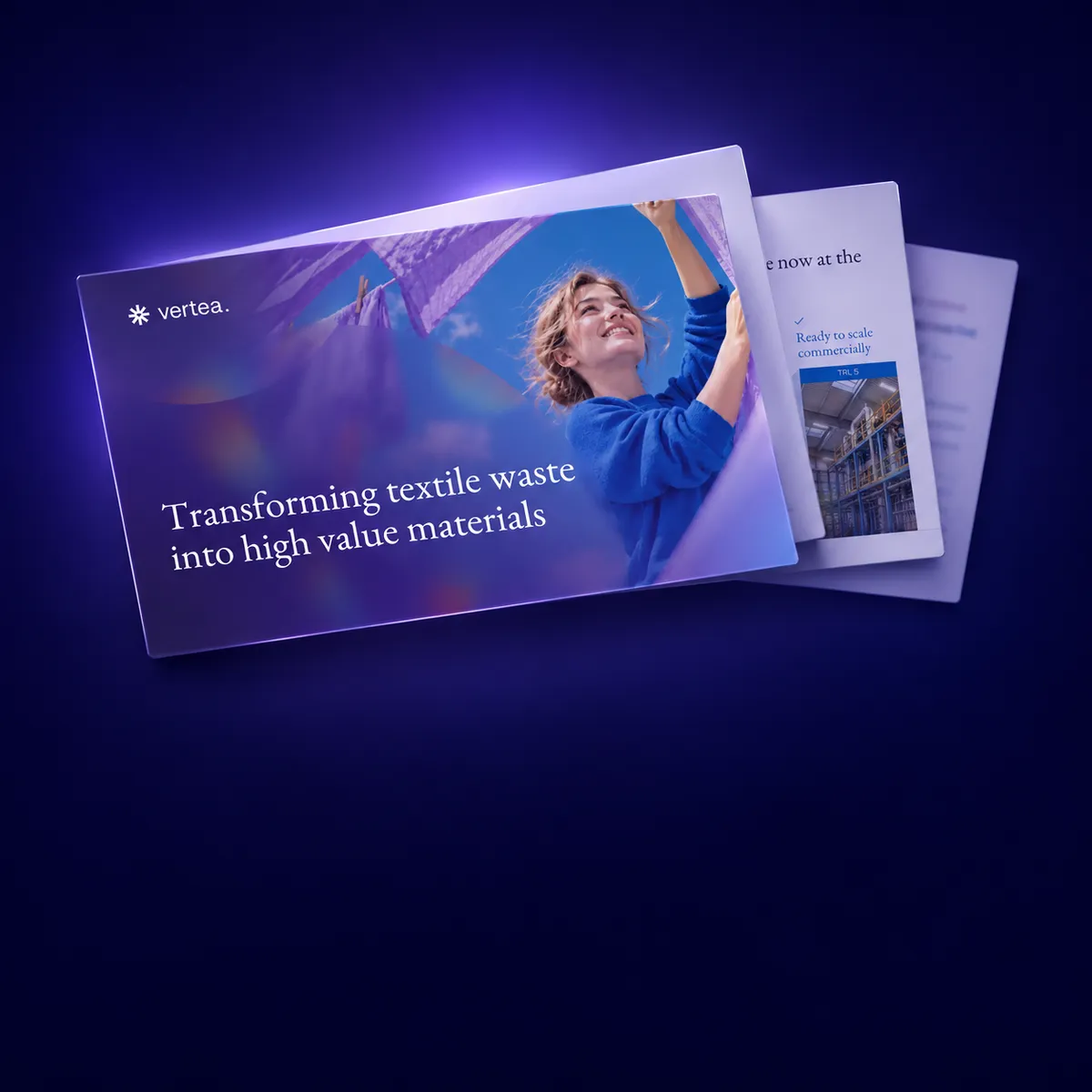
Getting a deep tech company ready for a $3M seed round
Read the story $100M+nickel project investment case
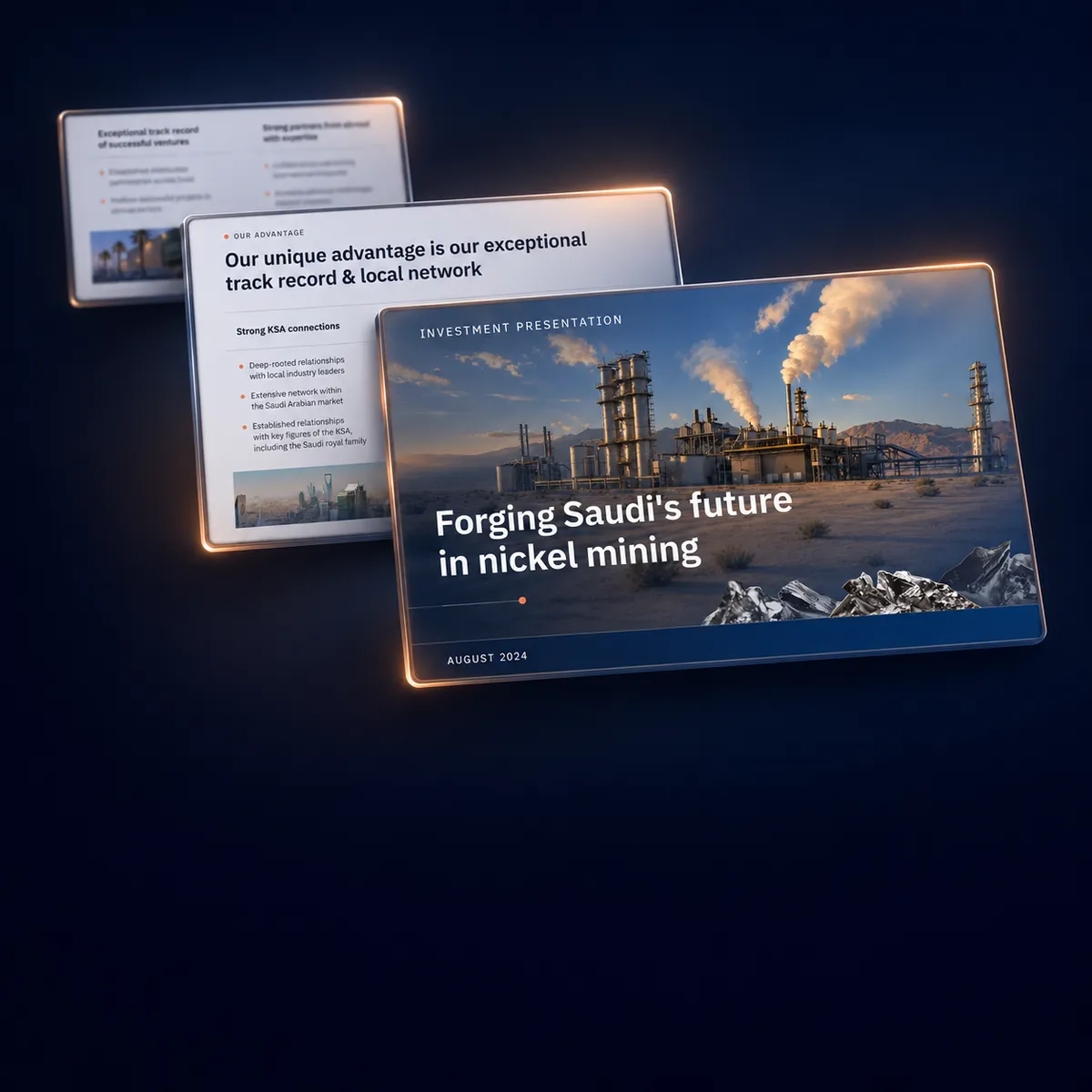
$100M+ nickel mining investment case: market analysis, financial model and deck
Read the storyRaising for climate tech?
Waveup builds the narrative, the deck and the website - one story for investors and industrial buyers.

