Real estate / Success case
Pitchbook for a Class A office acquisition
A New York-area owner-operator had a chance to buy a Class A office campus out of foreclosure, in the sector investors most want to avoid. We built the deck that made the deal worth backing.
At a glance
Acquisition capital
Secured
Equity for the acquisition of a Class A (top-tier) suburban office campus coming out of foreclosure.
- Loan defaultPrior owner
- ReceivershipTwo years
- PitchbookBuilt
- CapitalSecured
The building
About 80% leased
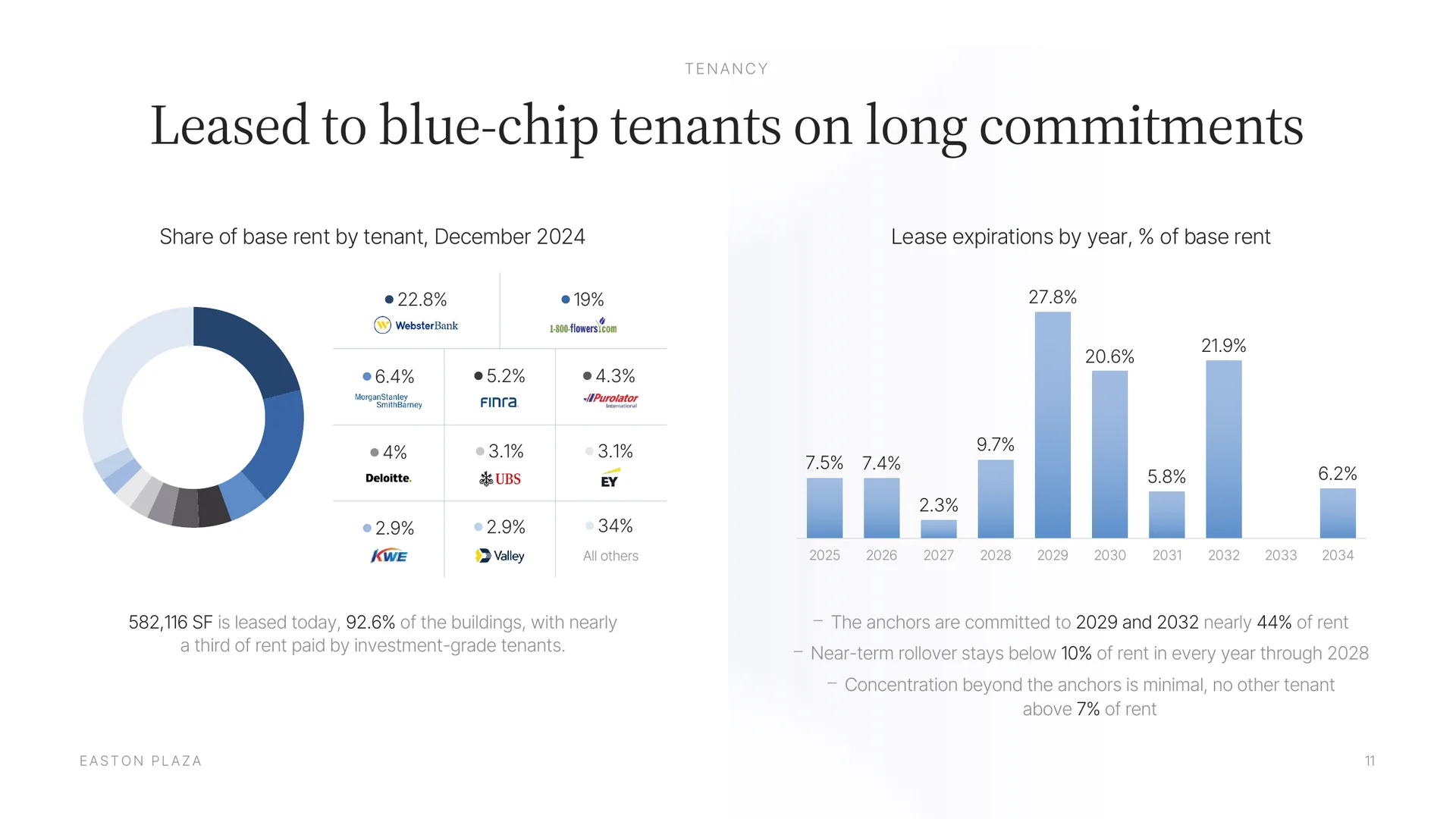
To national, blue-chip tenants, with the anchors committed for years
The sponsor
40+ years in its market
With a simple plan to bring the building back
Client
New York-area commercial real estate owner-operator with 40+ years in its market
- Class A office
- Foreclosure
Scope
- Narrative
- Market research
- Investor deck
- Deck design
The challenge: a foreclosure, in the sector investors avoid
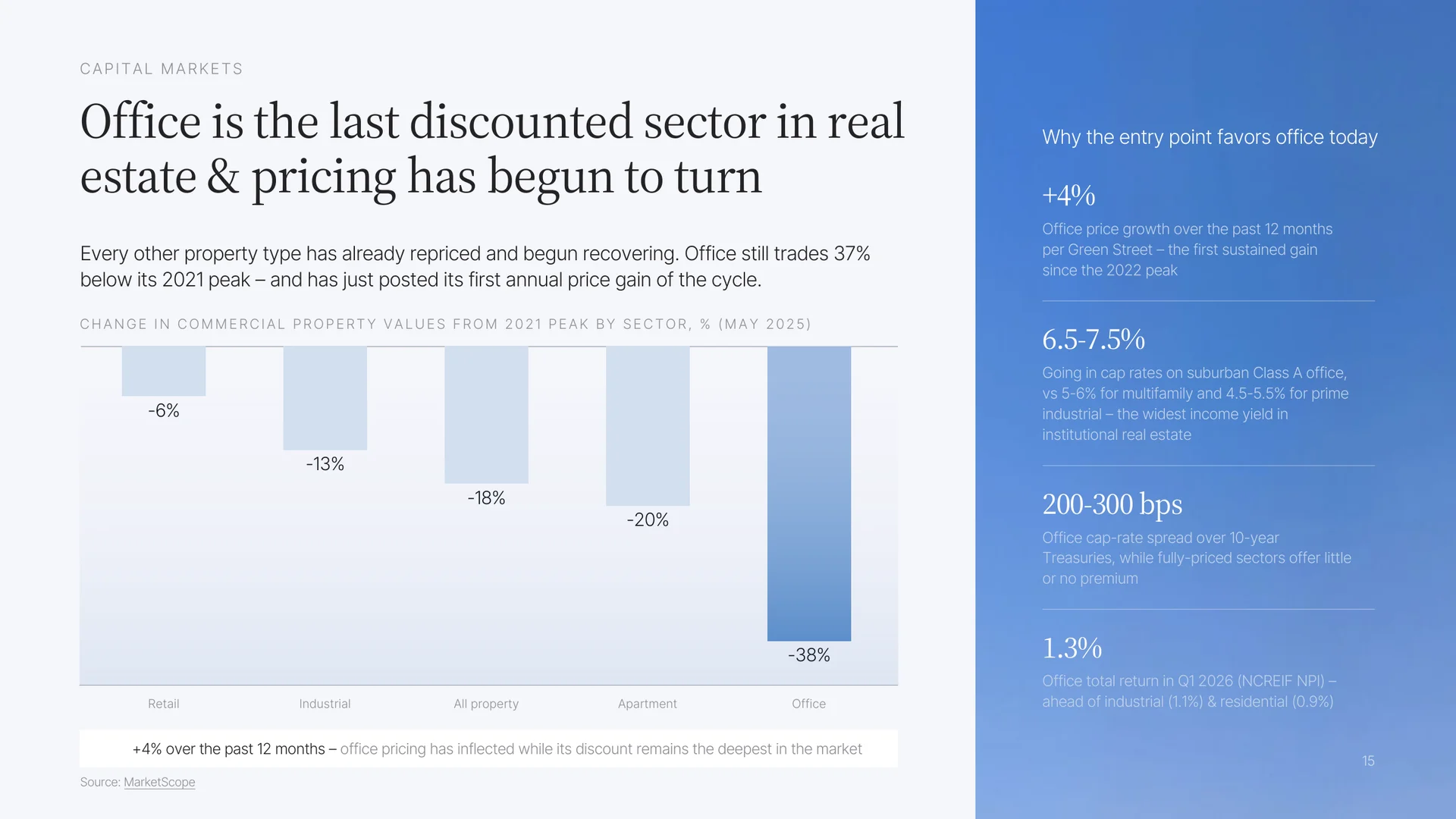
The sector. Office is the asset class investors have spent four years avoiding. Values are still about a third below their 2022 peak.
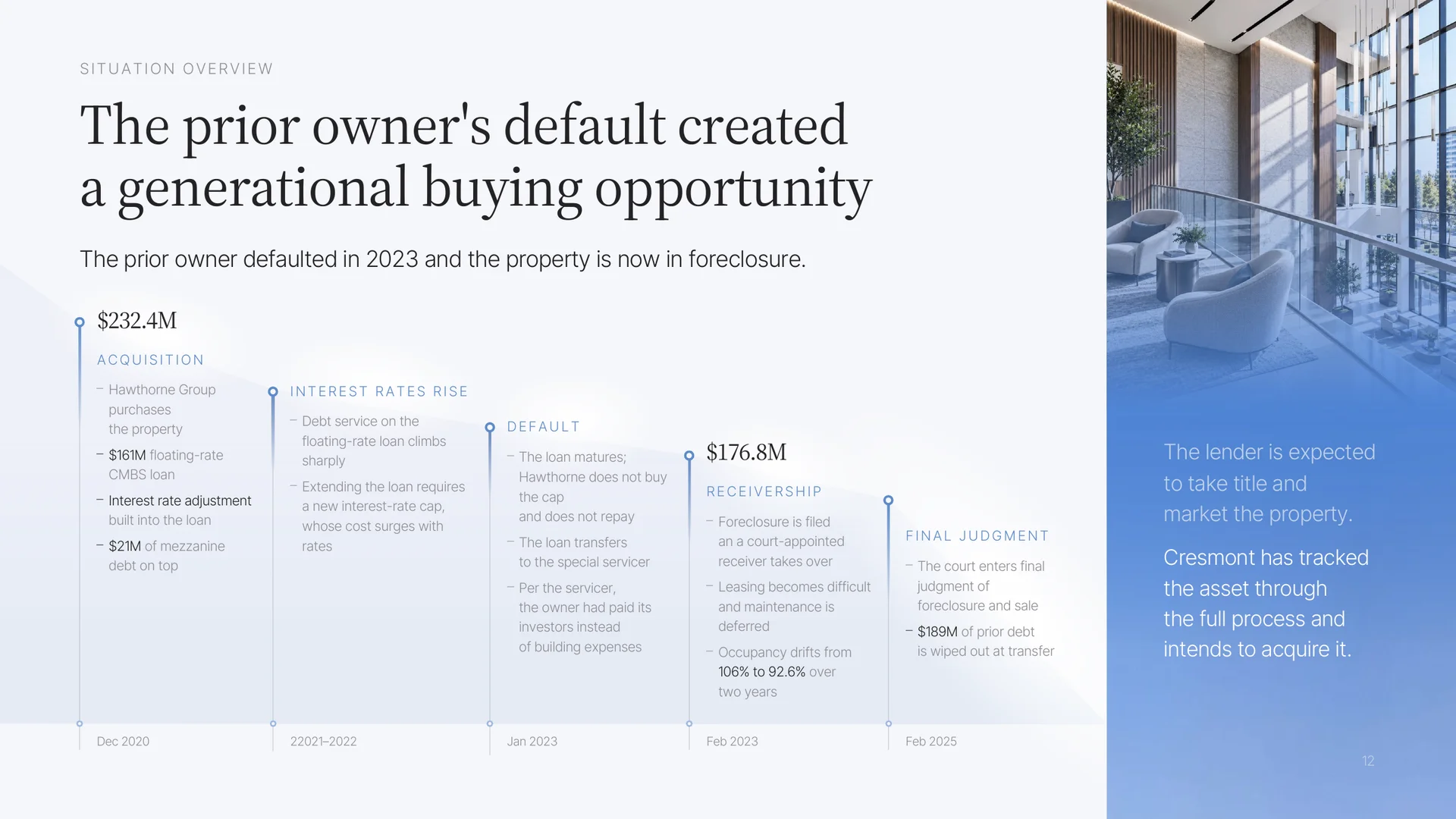
The asset. A landmark campus bought at the top of the market, then a loan default and two years in receivership, with maintenance put off.
The pieces. Rent from blue-chip tenants, decades of local track record and a clear plan, pulled into one case for this building, now.
The story: a broken loan, not a broken building
An office building in foreclosure, in the one sector most investors had already written off.
A landmark campus bought at the top of the market, then a loan default and two years in receivership, with occupancy slipping and maintenance put off. Any office pitch starts with the investor’s objection.
A rare entry point: the last property sector still deeply discounted, with prices just starting to turn.
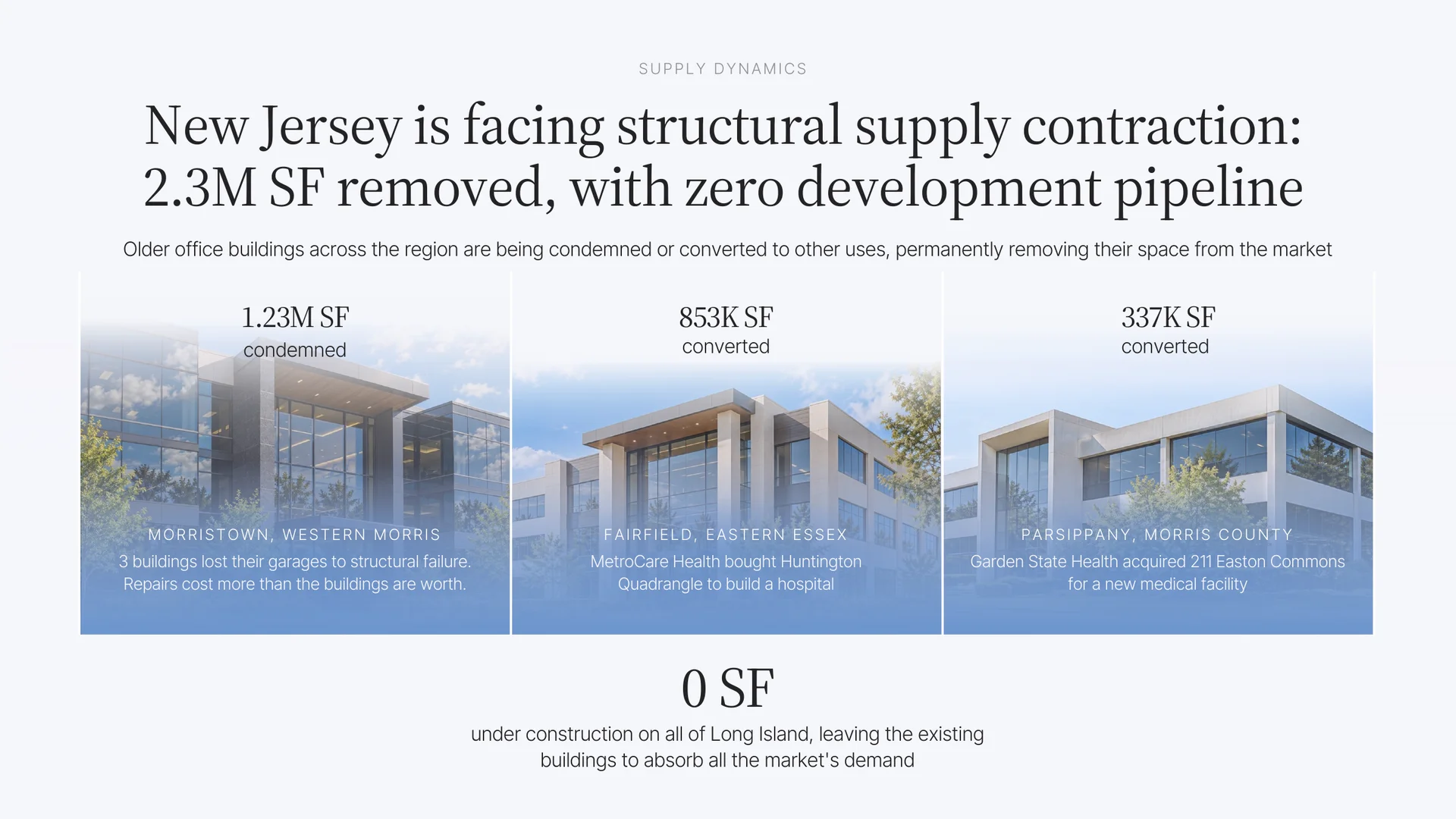
The trouble came from the prior owner’s floating-rate debt. The building is still about 80% leased to blue-chip tenants, nothing new is being built nearby, and a sponsor with four decades in this market has a plan to fill it.
What we learned: why office deals struggle to raise
Investors walk into any office pitch expecting the worst.
- 12.34% office loan delinquencies in January 2026, a record
- 81% of new delinquencies in August 2026 were loans that couldn’t be repaid at maturity
- $75 vs $250 per SF: the same building, two different investments, with fit-outs over $100 per SF
- 34% office values are still below their 2022 peak, after rising about 5% in the year to June 2026
A deck has to separate a broken capital structure from a broken building, and show demand it can document. Optimism doesn’t move investors.
What gets funded, and how the pitchbook shows it
Five pages answer what investors in an office deal look for.
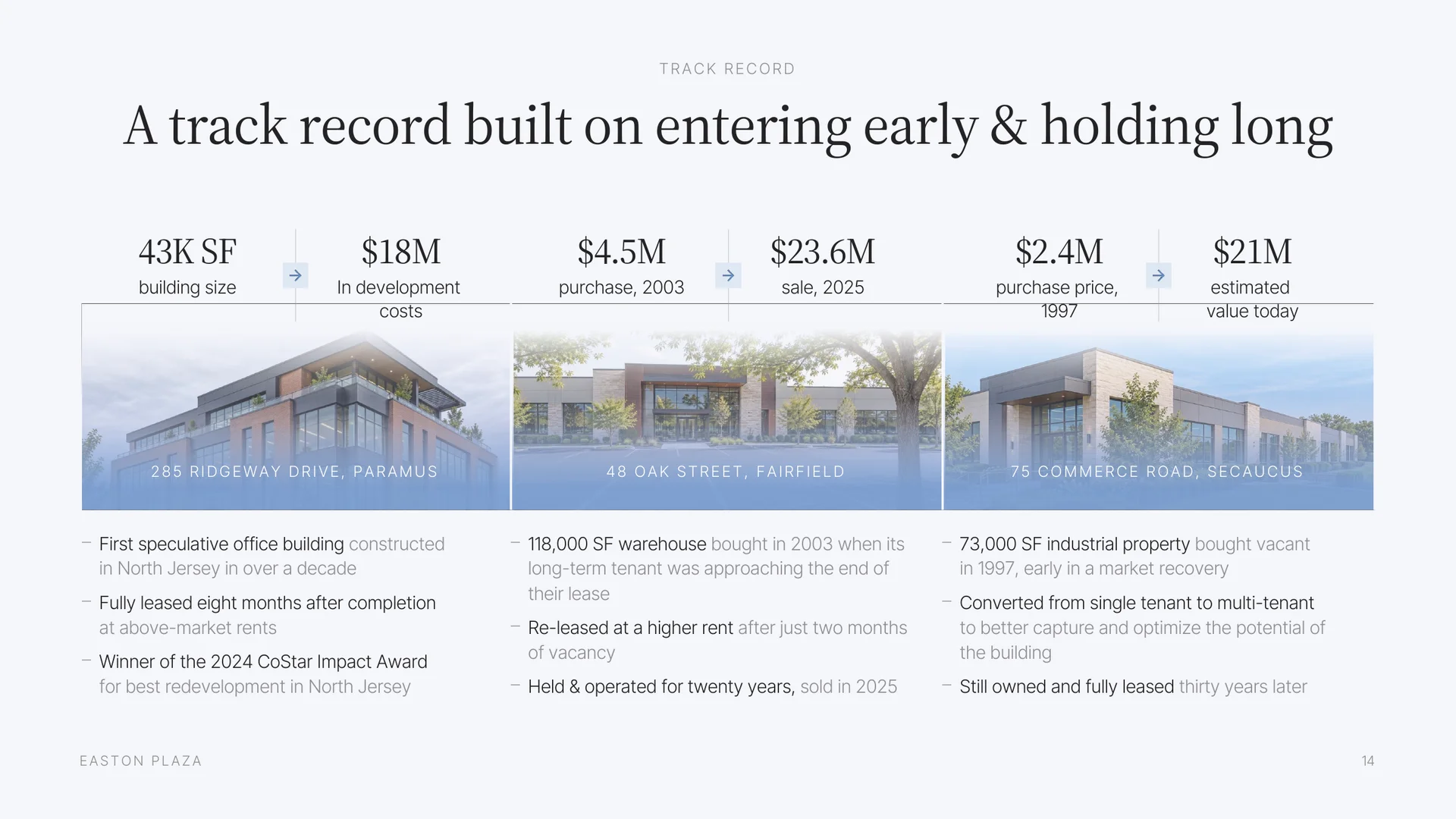
The business plan: four steps back to the top of the market
Buy at the new, lower price, then bring the building back.
- Secure the assetAcquire with clean title at the new, lower price.
- Fix the deferred maintenancePut right what was put off during receivership.
- Invest in amenitiesAdd what tenants now expect, to keep the ones already there.
- Lease the vacant spaceFill the building back toward its past occupancy.
What we did: narrative, market research and design
Every investor objection, answered somewhere in the deck.
Narrative
A rare entry point: the last discounted sector, a landmark at a fraction of its 2021 price, and a local operator.
Market case
From the national picture to the street: prices turning, record New York leasing, local supply leaving.
The default, explained
A simple timeline that shows the trouble came from the old financing, and the building still works.
The asset
Location, tenants and lease expiries on a few pages, with anchor tenants committed for years.
Risks
Every objection on one page: an anchor tenant changing hands, recession, remote work and AI, the building.
Design
Calm, institutional and premium, with charts that read at a glance and the campus at its best.
Results
- Capital secured for the acquisition
- Rare entry point a foreclosure in an out-of-favour sector, repositioned
- Every investor objection answered in the deck, from the market to the risks
The pitchbook


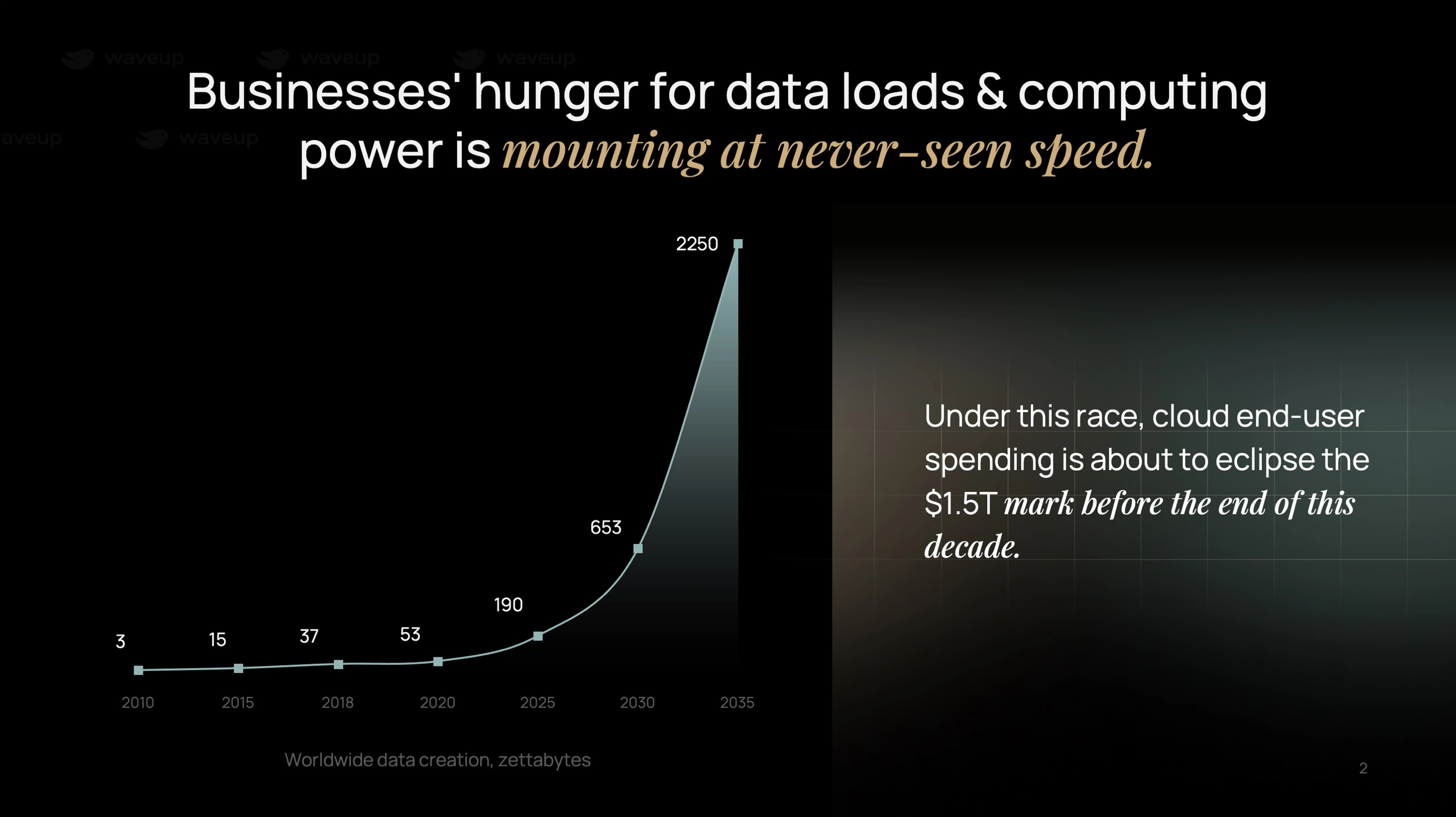
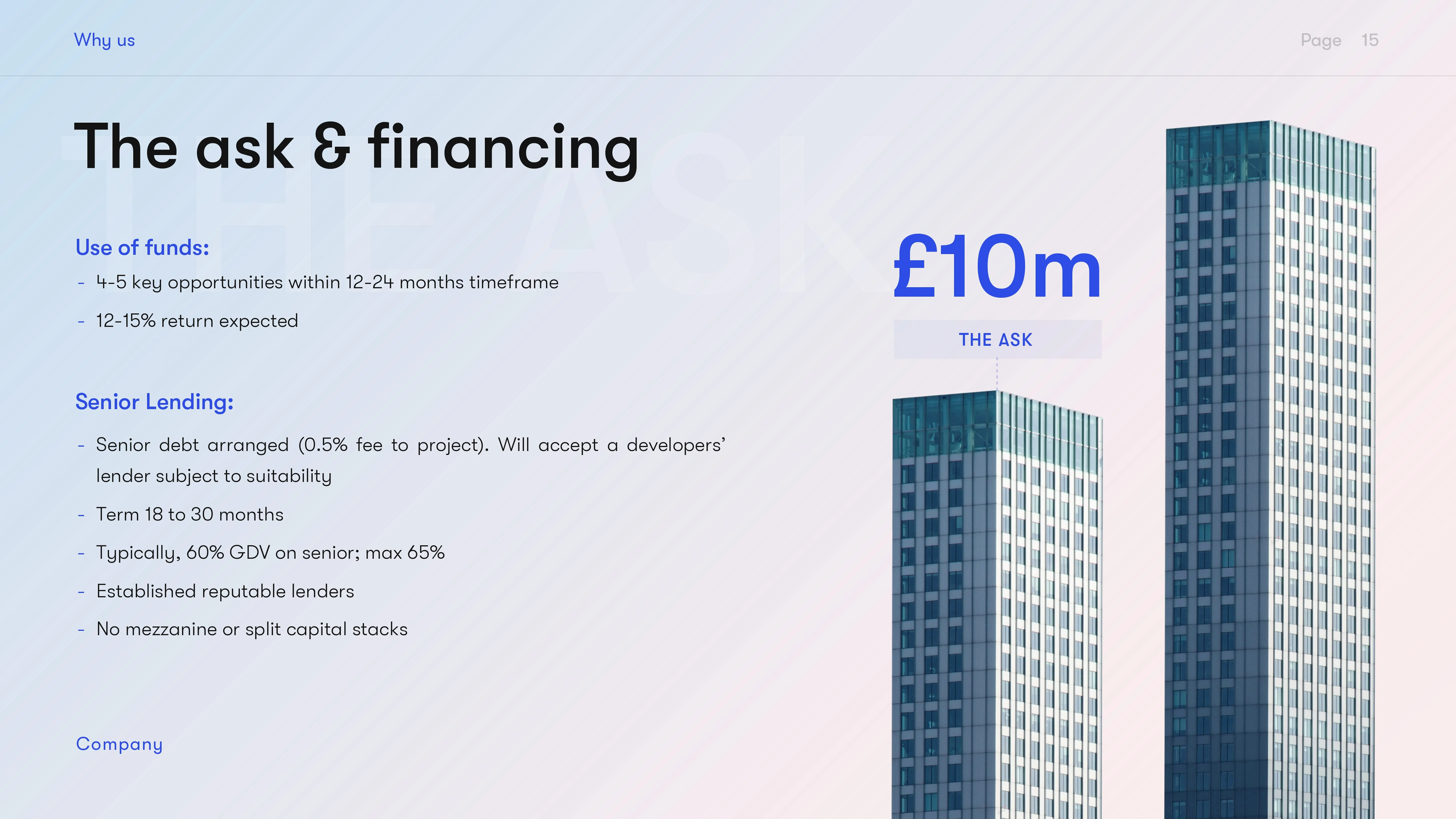






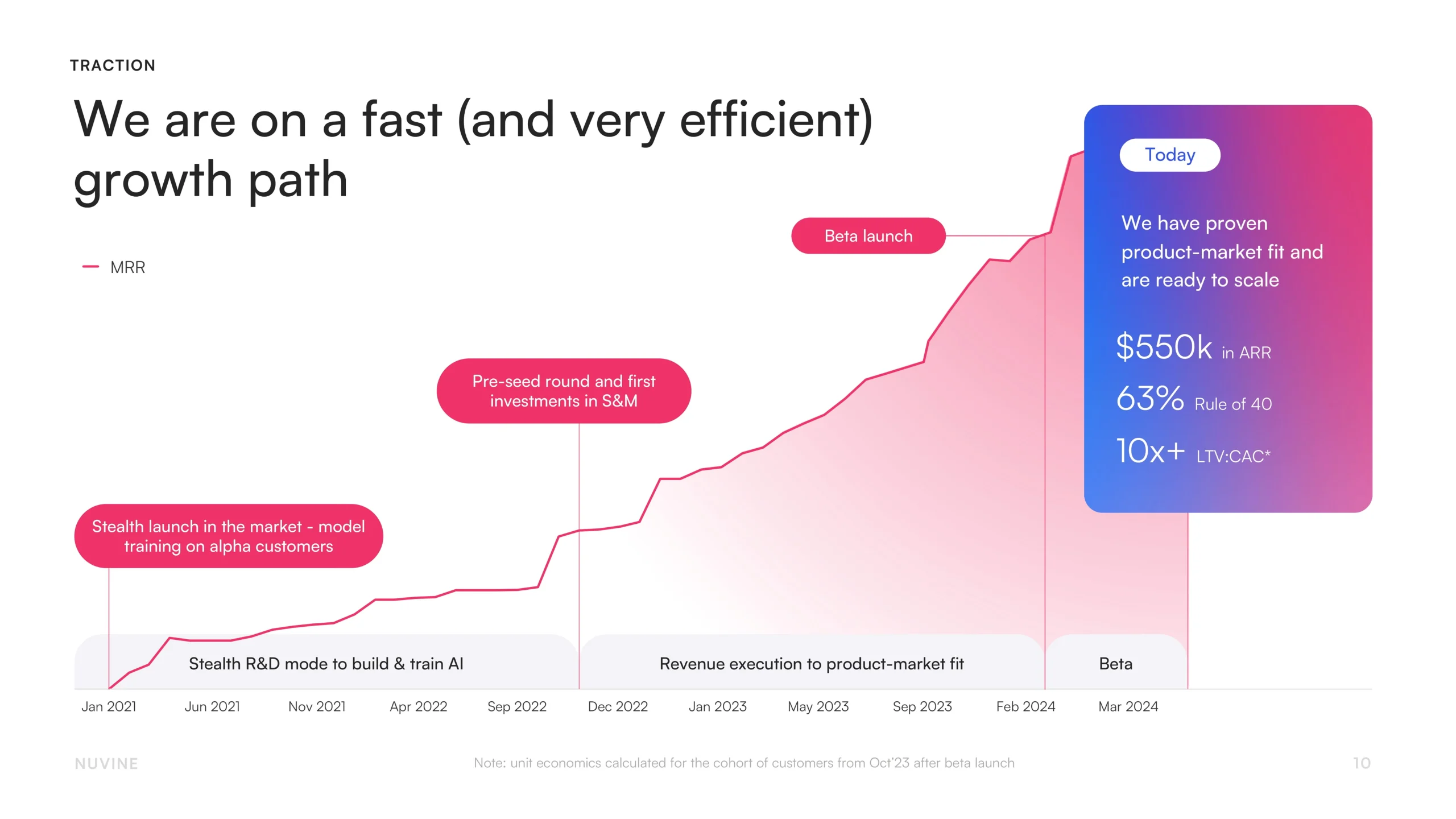



 $149Mraised
A $149M raise for a pioneering mixed-use real estate development
Built in 3 weeksSaudi ArabiaRead the story $100Msecured
$100M multifamily real estate fund raise
Multifamily fund2 weeks from kickoffRead the story $75Mrevenue group, buyout financed
The CIM behind the buyout of a $75M-revenue utility and power group
Six units, one storyEvery figure traceableRead the story £3Mdebt raise, in market
Building the £3M debt deck for a live entertainment company
Sold-out London debut2027 UK and Europe rolloutRead the storyBuying a distressed asset in a sector investors avoid?
We build the deck that shows them the opportunity.

