Fintech / Success case
The $12M deck that turned a niche fintech into a platform for the affluent
How a fintech with a sharp focus and no story got a category angle, the data to prove it, a luxury brand and a model that showed the economics worked.Client details are anonymised at the company’s request.
At a glance
Round closed
$12M
For a fintech serving affluent and high-net-worth clients.
- The angleFound
- Research and modelBuilt
- Brand and deckNew
- $12M roundClosed
Traction
130+ clients
€75M+ in annual transaction volume
The angle
Fintech’s largest unclaimed market
The affluent, with no category leader
Client
European fintech serving affluent and high-net-worth clients
- Cross-border transactions
- Affluent clients
Scope
- Narrative and market angle
- Market research
- Financial model
- Investor deck
- Brand
The challenge: a real focus, but no angle
The company had what most fintechs lack: a real focus. The pitch still didn’t land.
The focus
Large, complex cross-border transfers for wealthy clients, done fast. Clients loved it, but “we move big sums for rich people” sounds like a service.
The materials
No angle, no market framing that made a partner sit up, and a deck that looked like every other fintech deck.
The story: fintech’s largest unclaimed market
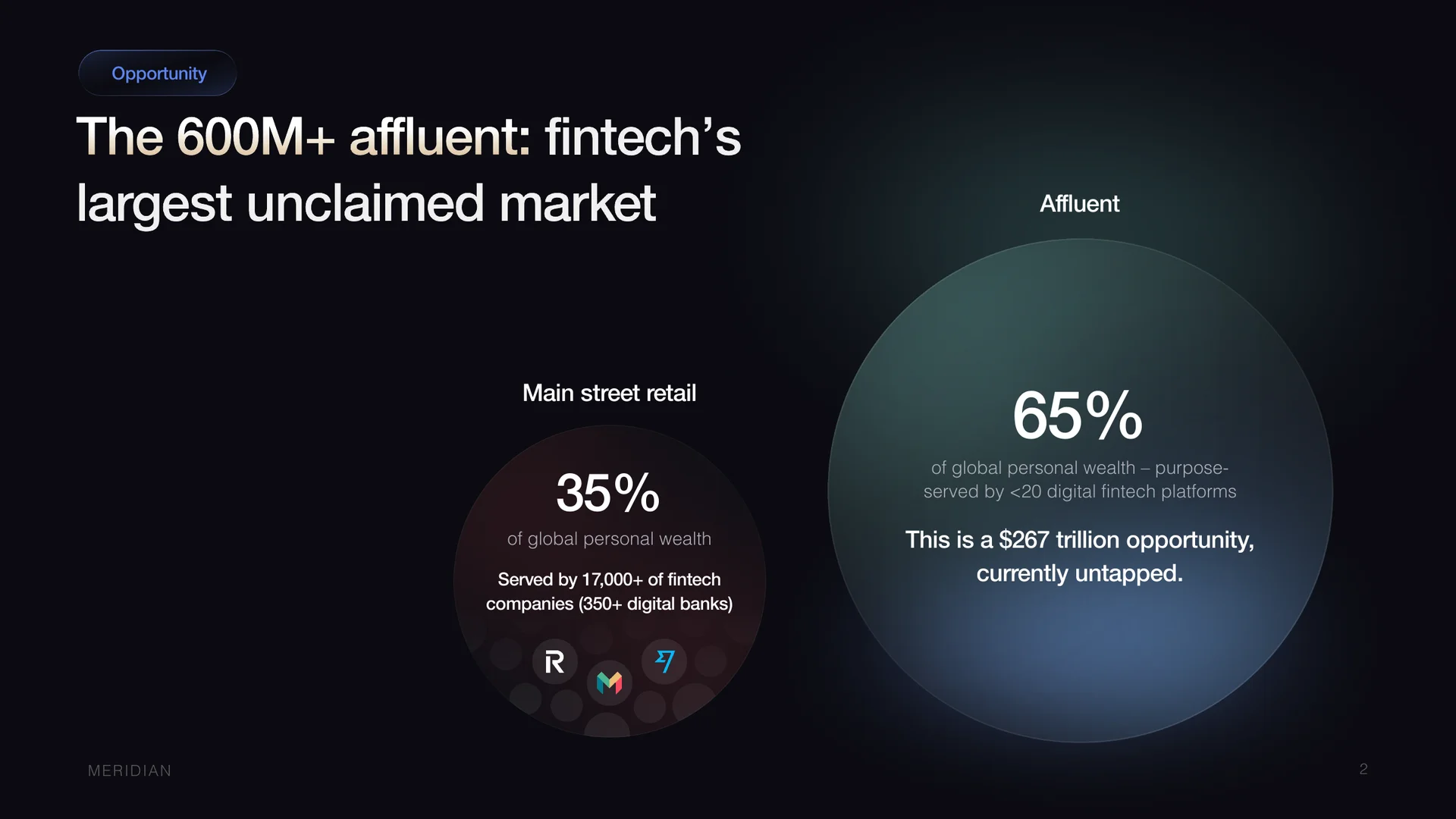
Investors saw a niche payments platform. The new story: the affluent are fintech’s largest unclaimed market, too wealthy for retail apps and too impatient for private banks.
A historic wealth transfer is under way, to a generation that says it will switch providers for better digital service.
What we learned: why fintechs struggle to raise
Four things get fintechs cut before investors reach the numbers.
Generic fintech is close to uninvestable
Generic digital banking and payments are hard to fund in 2026. A fintech has to own a segment.
Compliance comes up in the first meeting
Founders who can’t walk through their licensing path get cut before unit economics.
Paid acquisition has to compound
Customers bought with ads count for less unless referrals or partners bring more in.
Growth without margin gets no credit
Transaction volume without a clear share kept on each transaction reads as vanity.
What gets funded, and how the deck shows it
Three things get a fintech funded. The deck and the model answer each one.
A segment with no category leader.
The company reframed from a payments tool into the platform for fintech’s largest unclaimed market, on one slide.
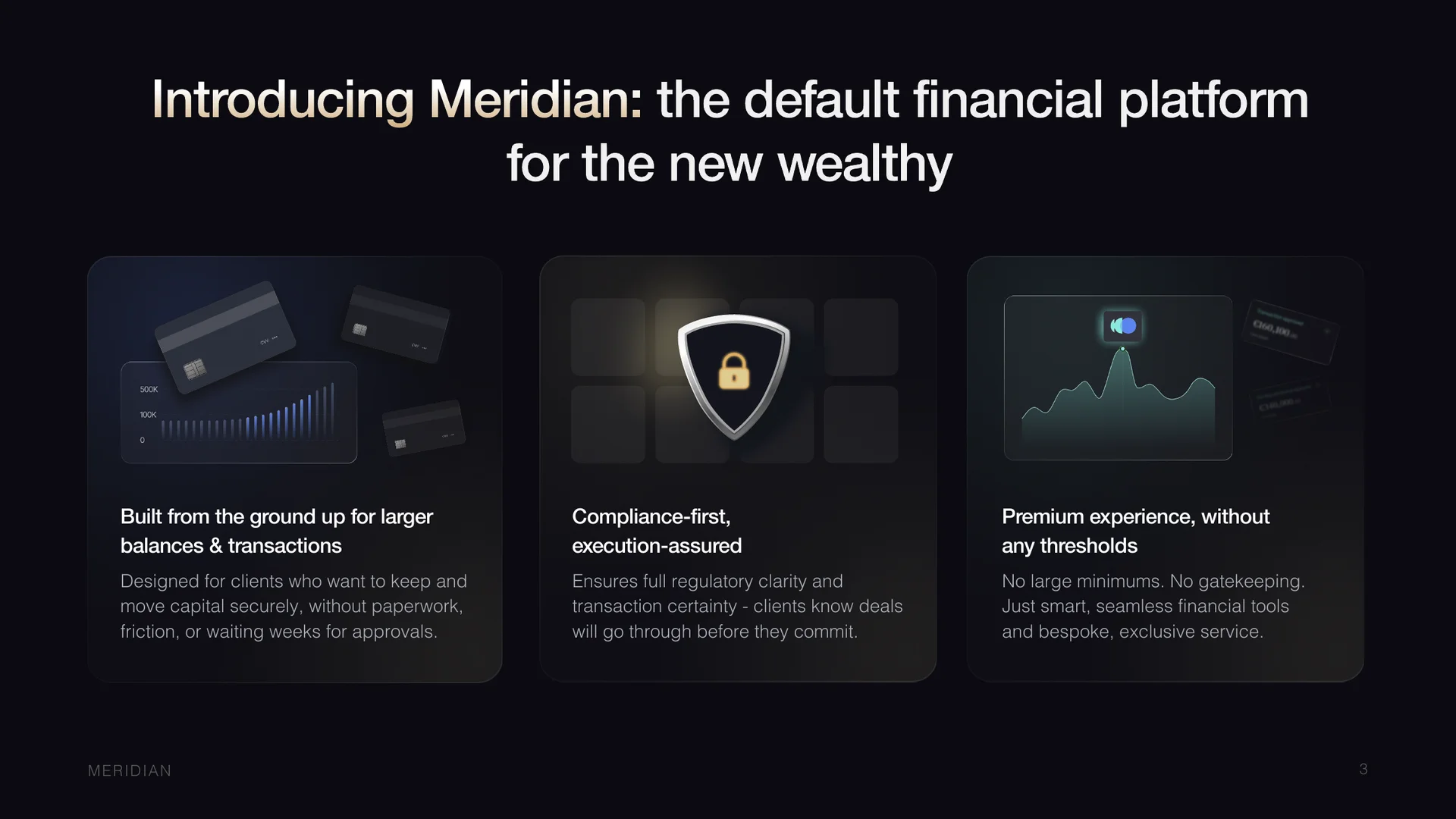
A wedge the company already owns.
Built for larger balances and transactions, compliance-first, with the premium experience the affluent expect.
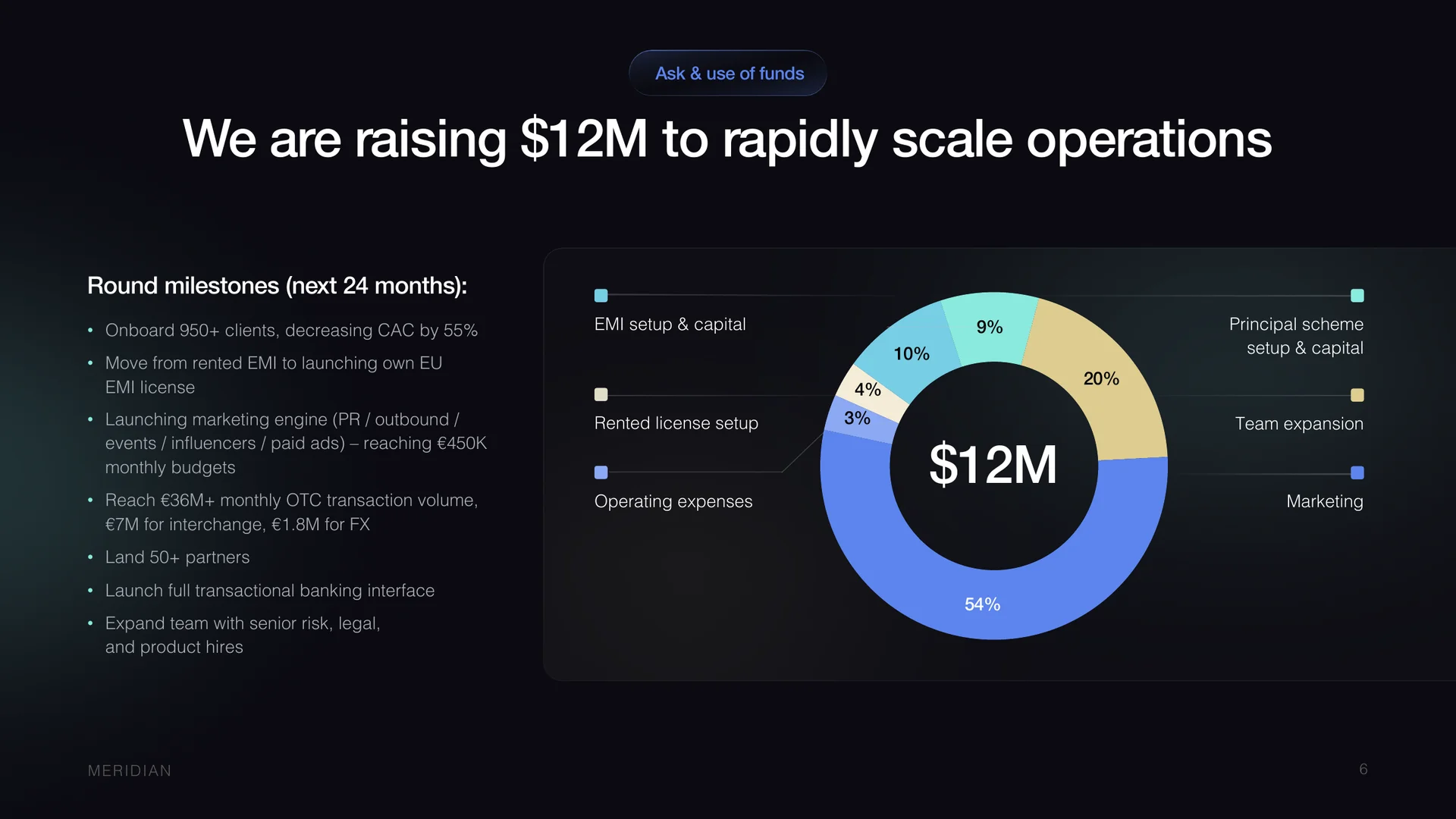
A licensing route and a clear ask.
The licensing roadmap laid out alongside the $12M ask and the milestones the round delivers.
What we did: the angle, the research, the model and the brand
The angle first, then the data, the model and the brand to prove it.
The angle
From a cross-border payments tool to the platform for fintech’s last untapped segment.
Market research
Segment size, cross-border flows, wealth transfer and switching intent, built into one market case.
Financial model
Every revenue stream with its own take rate, from interchange to FX.
Brand
A private bank with fintech speed: restrained and premium, for a customer who judges by looks.
Results
- $12M round closed
- 17x lifetime value to acquisition cost, in a model investors could pull apart
- A category angle that gave investors a reason to care beyond the product, and a brand and deck that match the customer the company serves
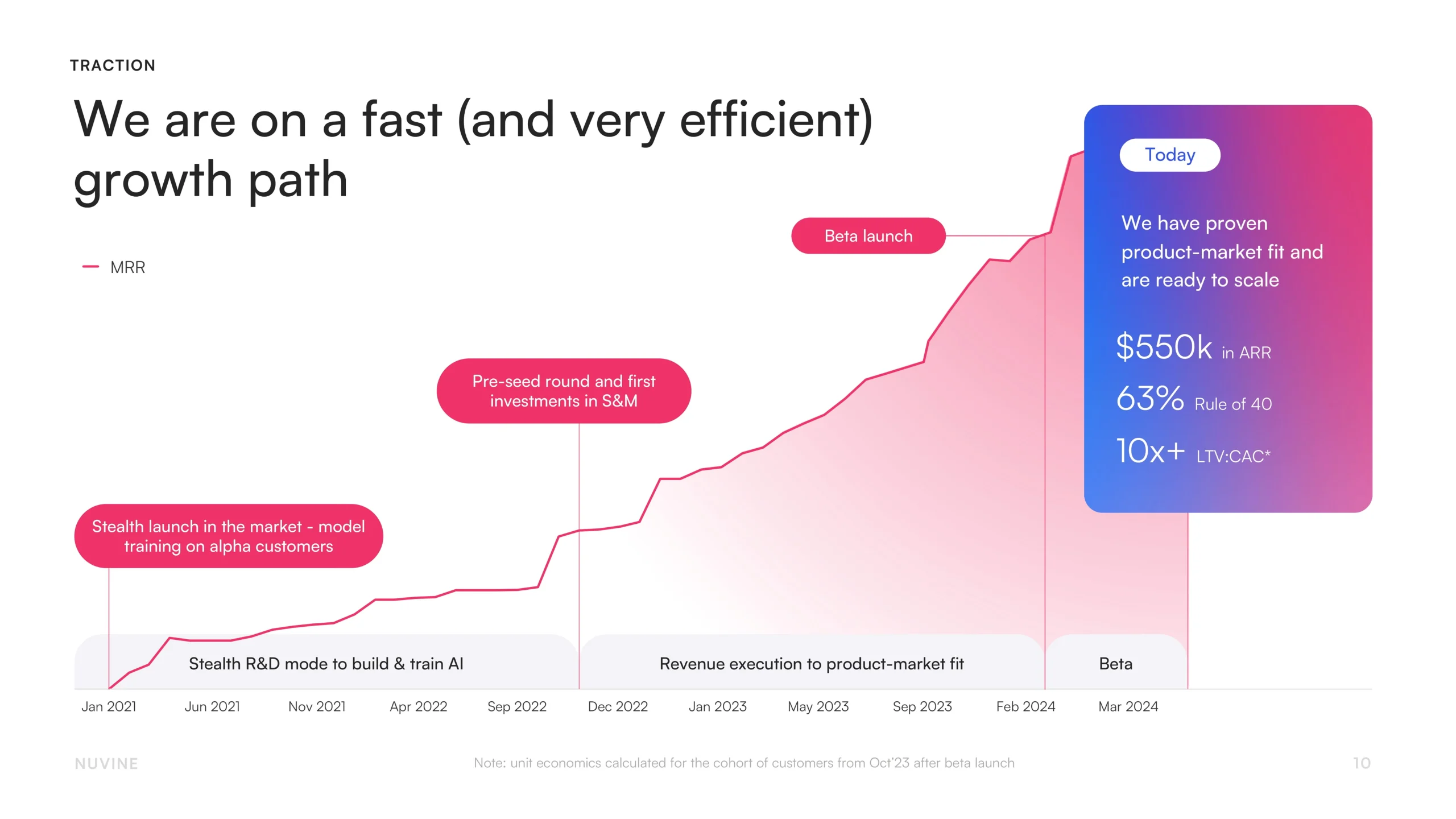
The investor deck


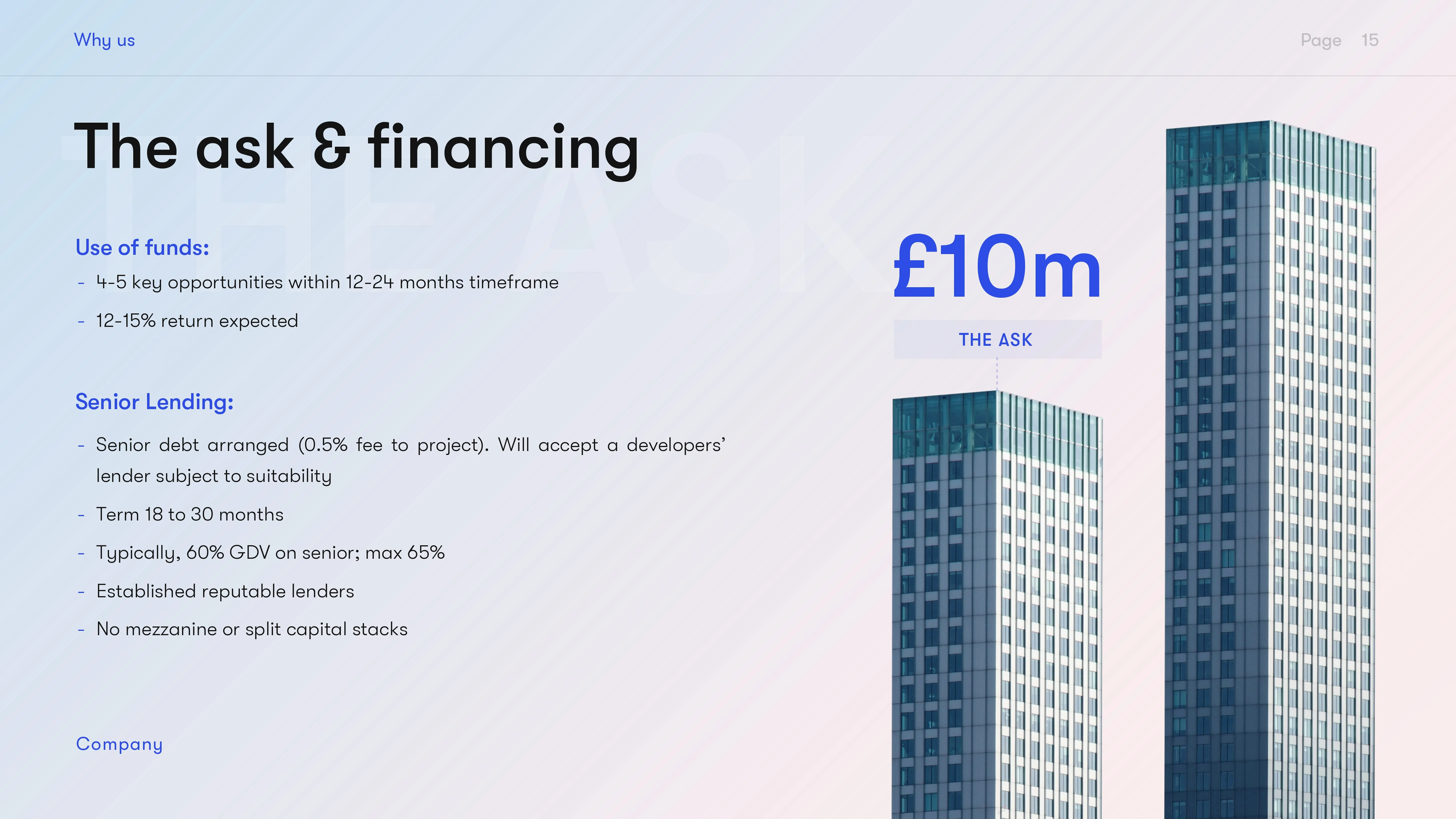
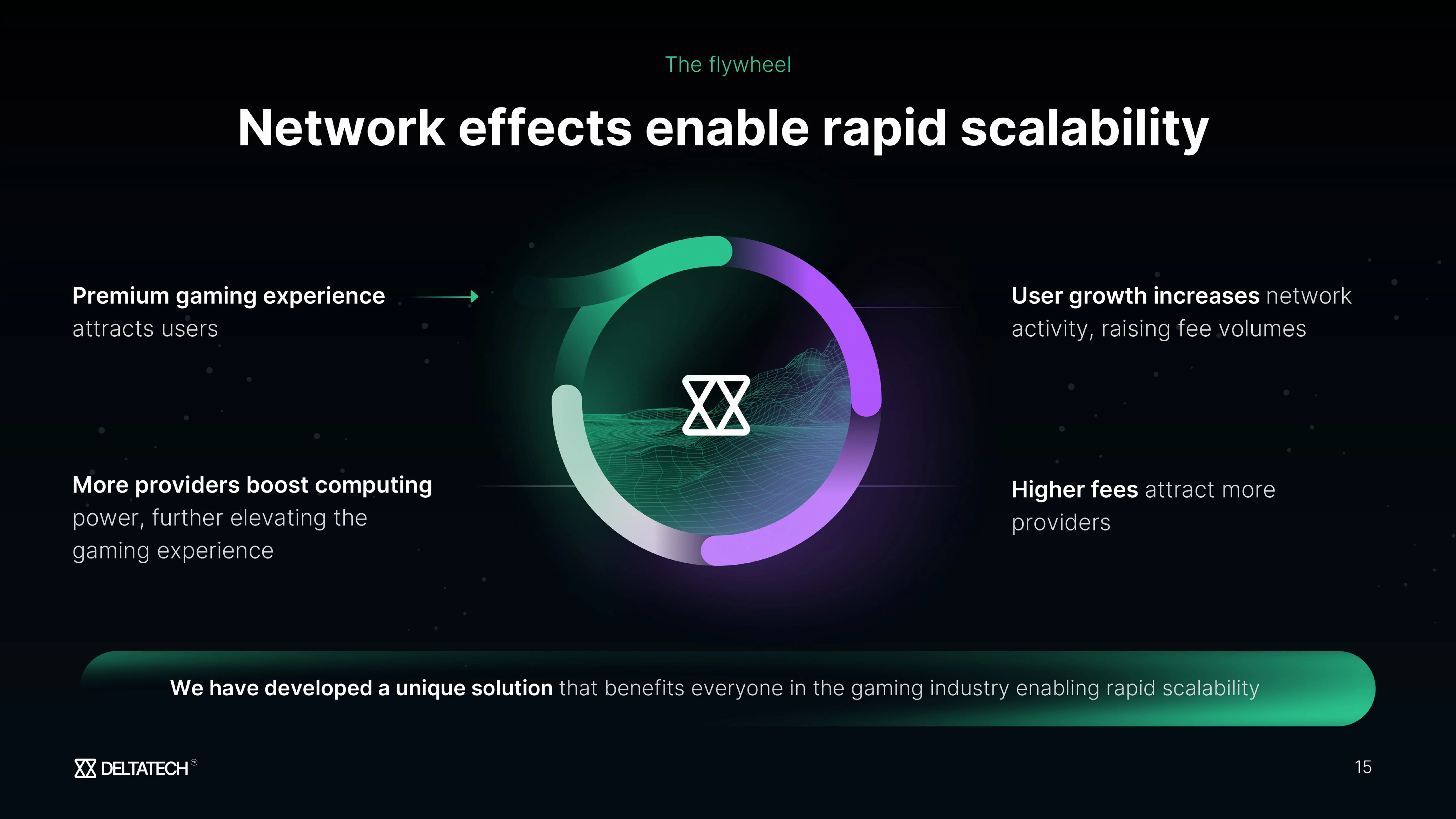
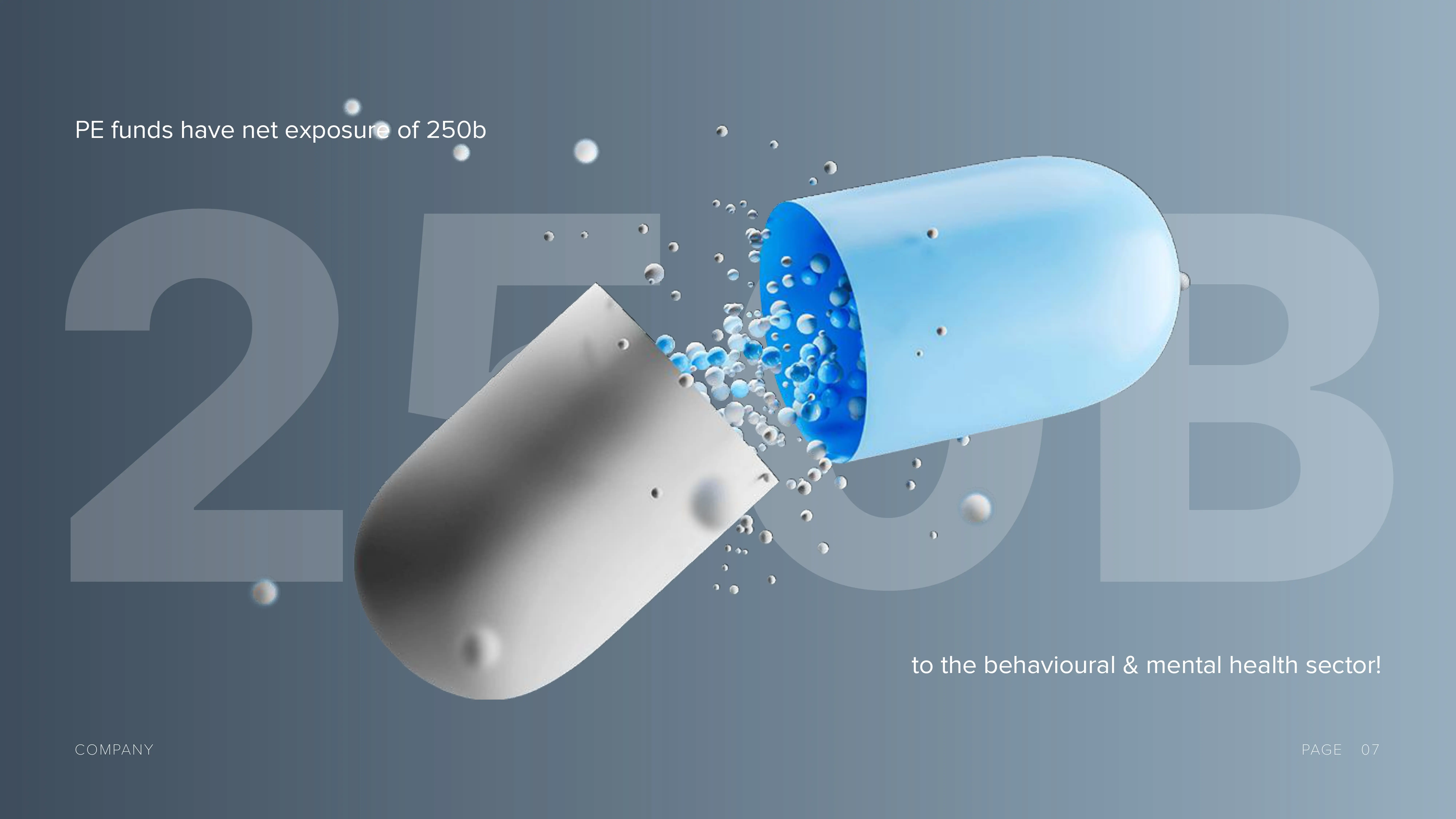

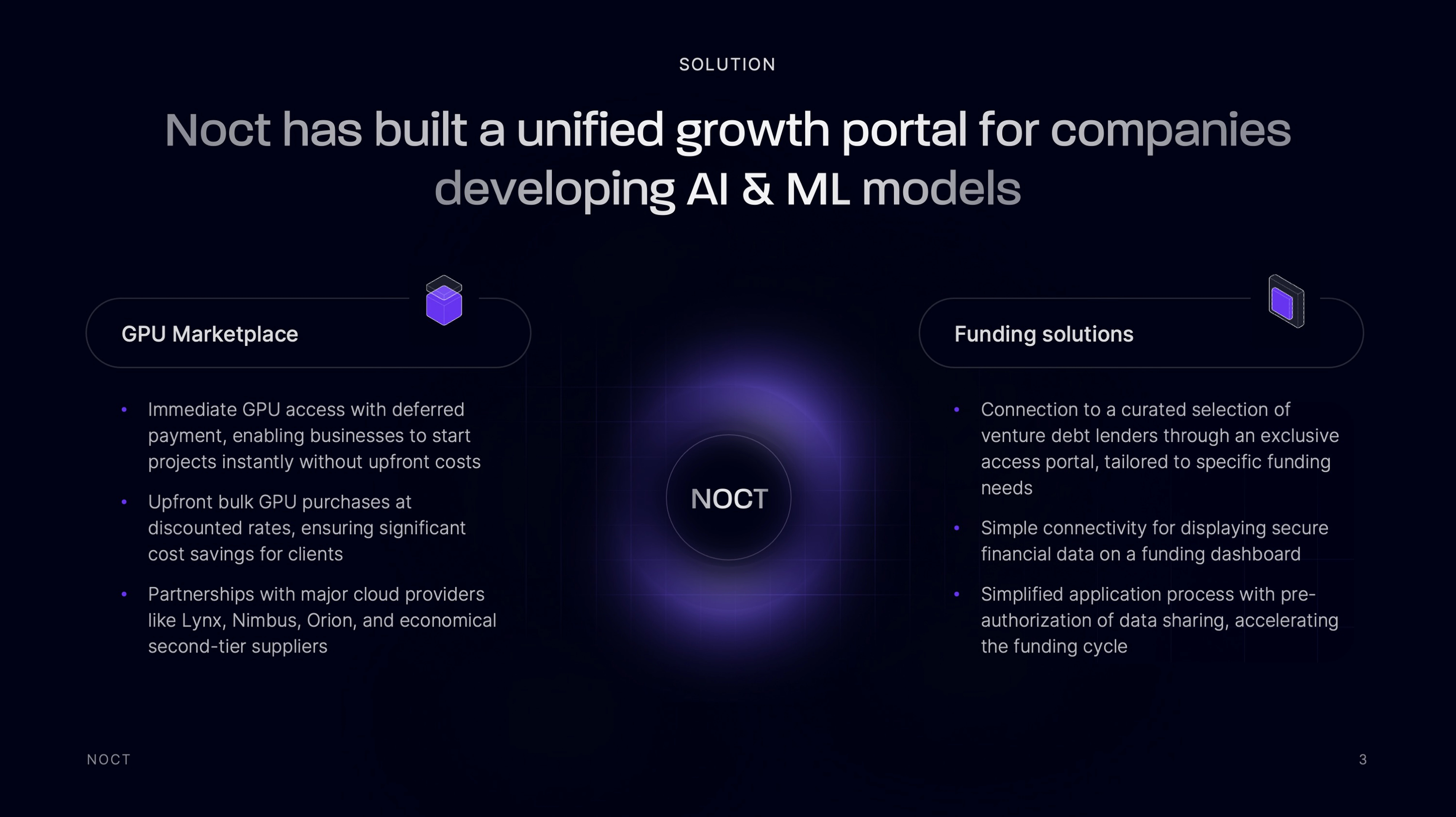





 $18MSeries A
Play-to-earn blockchain gaming revolution
3.6x the initial targetRead the story 72hbrief to final
Designing an acquisition financing deck in 72 hours
Financing closedDelivered in 3 daysRead the story £3Mlate seed
Game-changing financial model for a revolutionary fintech app
Built in 2 weeksRead the story 1 weeklogo to visual system
1-week brand sprint for an on-chain energy protocol
Read the storyGreat focus, no angle?
Waveup finds the category your company belongs in and builds the deck and model to prove it.

