Industry: Lingerie
Lingerie brand funding
Bra, shapewear and period-underwear brands raise from consumer VCs, growth funds, lenders and the groups that buy them. We help you show each of them why shoppers come back, and what each order earns after returns.
- Market data and named investors for lingerie, shapewear and intimates
- Decks and models built on fit, repeat buyers and stock across sizes
- $3B+ raised for 600+ startups since 2014
In short
What is lingerie brand funding?
Lingerie brand funding is the money bra, underwear, shapewear and sleepwear brands raise to grow. Early money comes from founders, angels and consumer VCs. Growth funds, lenders for stock and the groups that buy brands come later. At the top end, SKIMS was valued at $5 billion in November 2025.
- Who it's for
- Lingerie, shapewear, sleepwear and period-underwear brands, pre-seed to Series D+
- What we build
- Investor deck, financial model, lender deck, valuation, extended CIM
- Prices
- Deck from $6,000, model from $3,000. Flat fees
- Track record
- $3B+ raised for 600+ startups since 2014
Market data checked on 6 November 2026. Sources are under each section.
Is lingerie a business investors want in 2026?
Yes, when a brand owns a clear need, such as comfort, fit, shaping or leak protection. Buyers have paid well for those brands, but a few giants still set the pace.
The opportunity
Shoppers keep moving to brands built around comfort and real bodies.
- Comfort-first Aerie is growing faster than Victoria's Secret
- Hygiene group Essity now owns period-underwear brands Knix and Modibodi
- Shapewear went mainstream, led by SKIMS
The problem
Victoria's Secret & Co. sold $6.55 billion of goods in fiscal 2025. A new brand competes with it, Aerie and SKIMS for the same shoppers, on far smaller budgets.
Market size
How big is the lingerie market, and where is it growing?
Grand View Research puts global lingerie sales at $98.7 billion in 2025. Fortune Business Insights counts about half that, $48.6 billion, so definitions matter. Four shifts decide which brands grow:
- Comfort: Aerie's comparable sales rose 19% in Q2 2026
- Shapewear: SKIMS expected more than $1 billion of net sales in 2025, six years after launch
- Leak protection: Essity expected leakproof apparel to grow over 20% a year when it bought Knix in 2022
- Growth abroad: Victoria's Secret's international sales rose 27.3% in fiscal 2025
Venture capital
Which lingerie brands attract the big cheques?
There's no public count of venture money for intimates, but the deals show a pattern. SKIMS raised round after round at rising valuations, while groups such as Essity and Victoria's Secret bought challengers with proven demand.
paid by Essity for 80% of leakproof-underwear brand Knix in 2022
raised by Indian shapewear start-up Underneat in December 2025, led by Fireside Ventures
approximate equity value of innerwear group HanesBrands in Gildan's 2025 deal
Who invests in lingerie brands?
Consumer VCs and growth investors back the brands, lingerie, apparel and hygiene groups buy them, and lenders fund the stock. For more names, see our list of retail investors and VCs.
Where do lingerie pitches lose investors?
Our Fundraising 2025 study asked 56 VCs why they pass. Revenue growth, unit economics, burn and missed milestones topped the list, then defensibility and crowded categories. Lingerie brands meet four versions of those doubts.
A crowded top end
SKIMS expected more than $1 billion of net sales in 2025. Each new shapewear or comfort brand fights it, Aerie and Victoria's Secret for attention.
What investors ask
- Why would a SKIMS or Aerie customer switch to you, and stay?
What your deck shows
- The need you meet that the leaders miss: a size range, a fit or a use
- Repeat purchases by the month customers first bought
Fitting rooms still win
Stores took 60.8% of lingerie sales in 2025, by Grand View Research's estimate. Even SKIMS, which started online, had 18 US stores of its own by November 2025.
What investors ask
- How many orders come back, and what does each return cost you?
What your deck shows
- Return rates by style and size, with the cost of each return
- A store, wholesale or try-at-home plan, with its payback
Duties on every bra
Victoria's Secret absorbed about $85 million of tariff pressure in fiscal 2025. In 2026 it received over $140 million in IEEPA tariff refunds.
What investors ask
- How much of your margin depends on where your bras are sewn?
What your deck shows
- Landed cost per core style, at today's duties and in a higher case
- A second approved factory for your best sellers
Growth that fades after the deal
Victoria's Secret agreed to pay $400 million upfront for Adore Me in 2022. In Q4 2025 it booked a $119.6 million impairment on Adore Me assets.
What investors ask
- Will your growth hold once discounts and paid ads are cut back?
What your deck shows
- What first-year customers still spend in years two and three
- Profit per order after returns, discounts and ads
How we help you raise
Flat fees agreed before we start. No success fee on advisory work.
Your fit story, repeat buyers and margins in one clear deck.
Stock by size, returns, reorders and cash, month by month.
A range checked against intimates deals and listed peers.
Consumer VCs, growth funds, stock lenders and strategic buyers.
Factory audits, fabric tests and size-level stock records, in order.
An extended CIM for investors, or the pack a buyer reads.
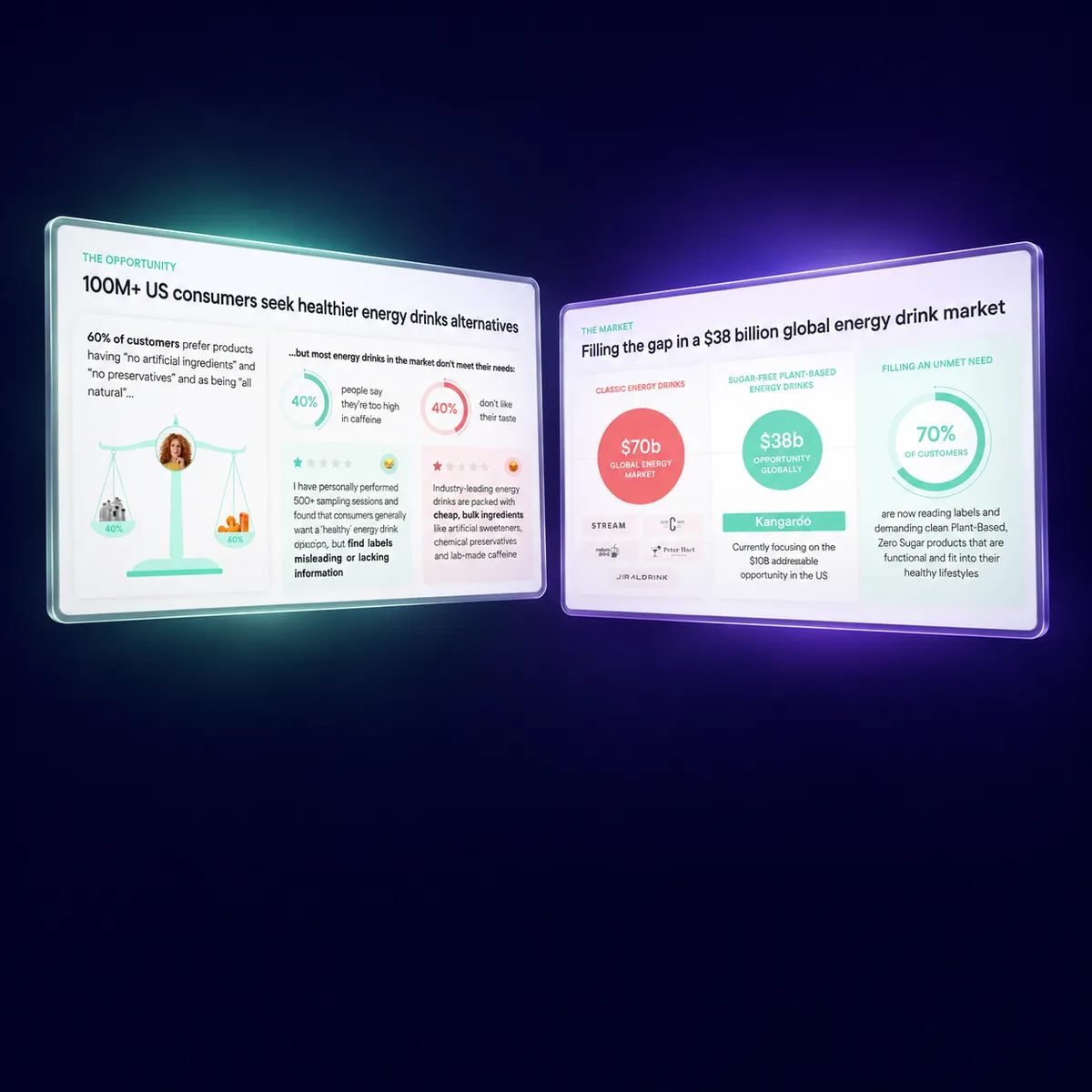
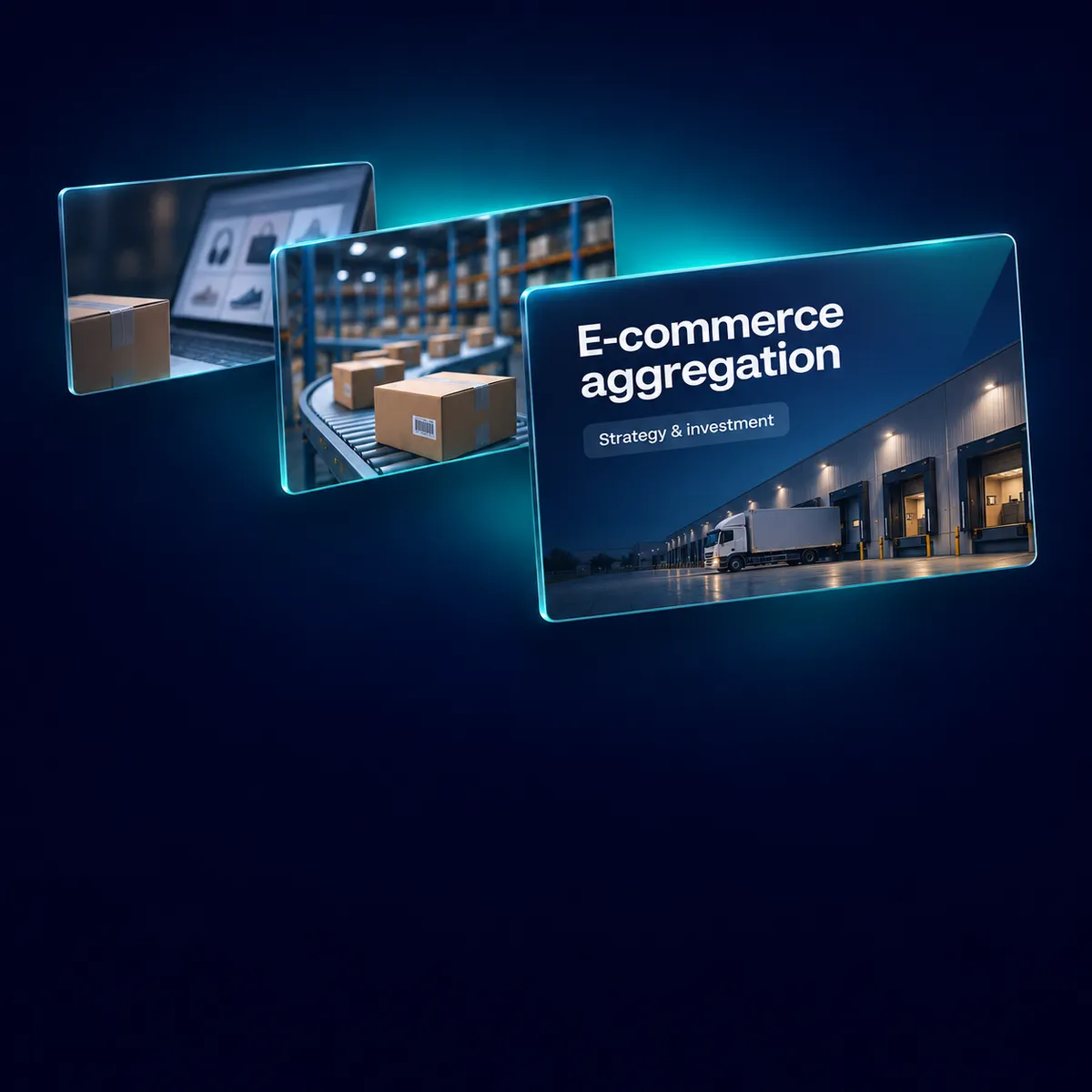
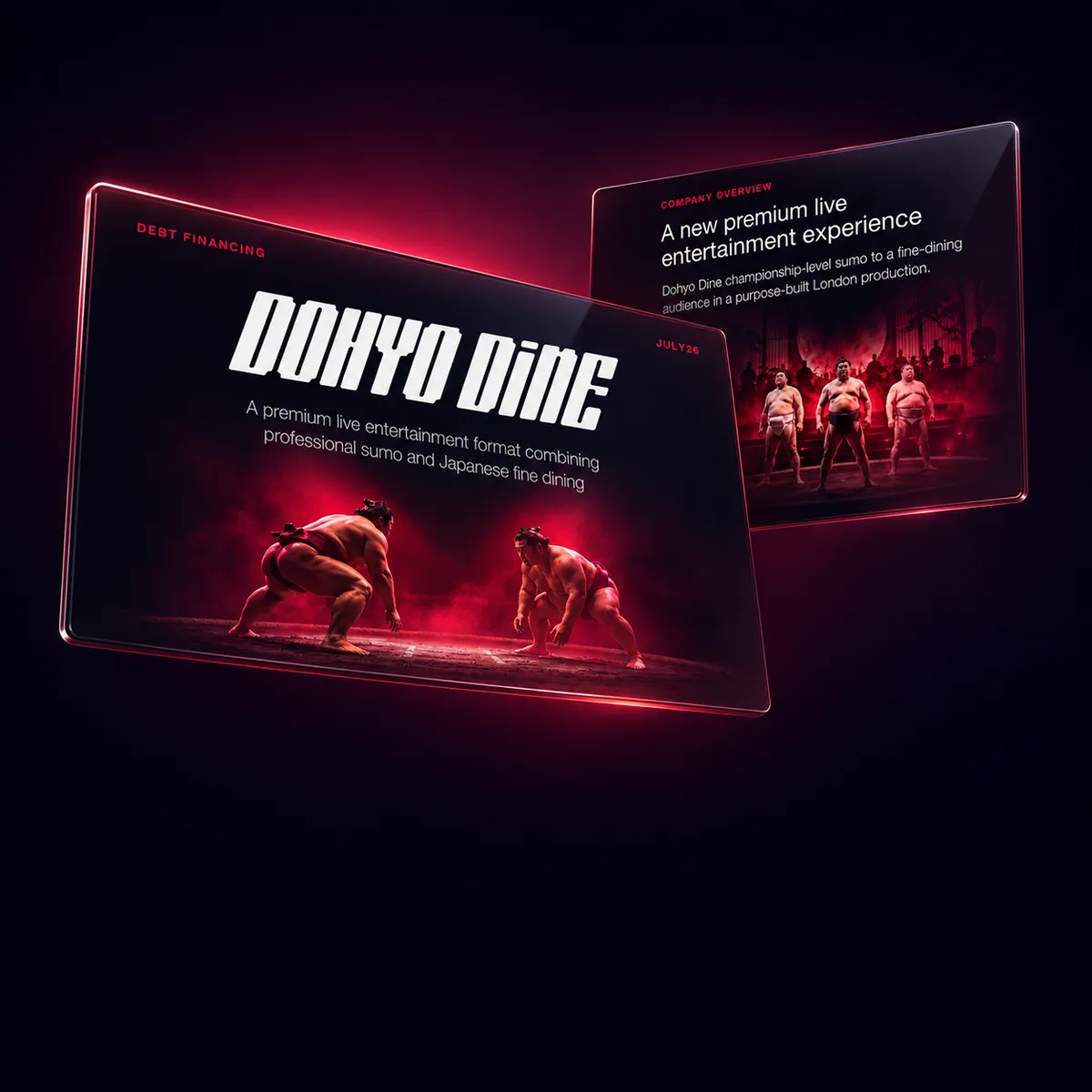
Our public cases nearest to an intimates brand: two consumer raises, an e-commerce seed and a debt deck.





Who we are
Waveup is a London-based fundraising and growth advisory, working in 60+ countries and 90+ industries. Since 2014 we have built the decks, models, CIMs and valuations behind $3B+ raised for 600+ startups.
About usLingerie brand funding FAQ
How do lingerie brands raise money?
Do venture capitalists invest in lingerie and shapewear?
Do you need a lingerie business plan to raise money?
Is a lingerie business profitable?
How much is SKIMS worth?
How much does help with a lingerie brand's raise cost?
Raising for a lingerie brand?
Share your sales by size and channel, and what you plan to raise. We'll tell you which money fits: equity, a loan or both.

