Industry: DeFi
DeFi funding
Lending, trading and staking protocols raise from crypto funds, multi-stage firms and grant programmes. Our materials show investors your fees, your audit record and what any token is for.
- Market data, named funds and grant programmes for DeFi
- Decks and models built on fees, deposits and token supply
- Waveup prepares investor materials for DeFi companies: $3B+ raised for 600+ startups since 2014
In short
What is DeFi funding?
DeFi funding is the money teams building lending, trading, staking and on-chain credit protocols raise to build and grow. It comes from crypto funds as equity, token rights or both, and from grant programmes run by protocol foundations. DeFi protocols held about $85 billion on 5 November 2026, DefiLlama data shows.
- Who it's for
- Lending, trading, staking and on-chain credit protocols, pre-seed to Series D+
- What we build
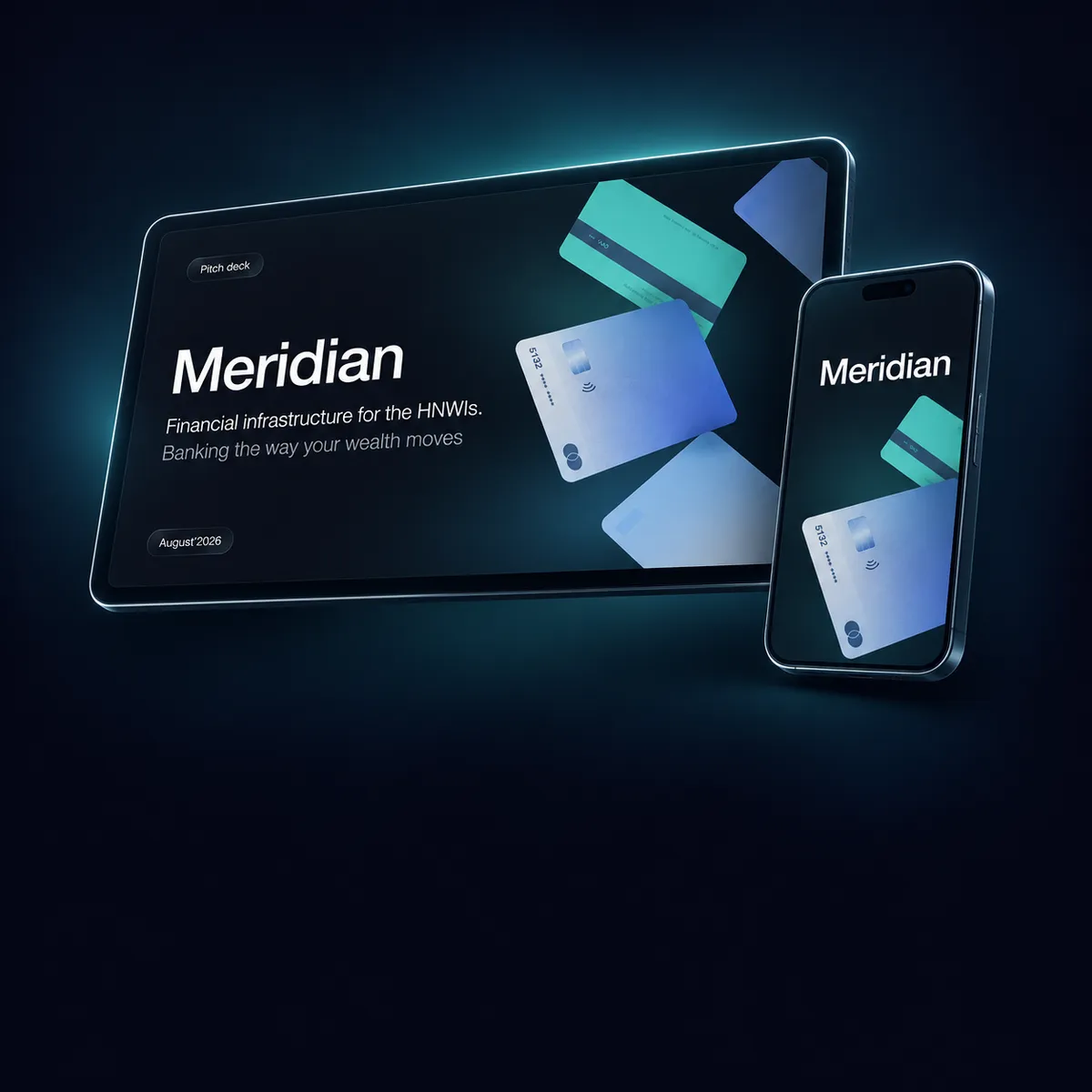
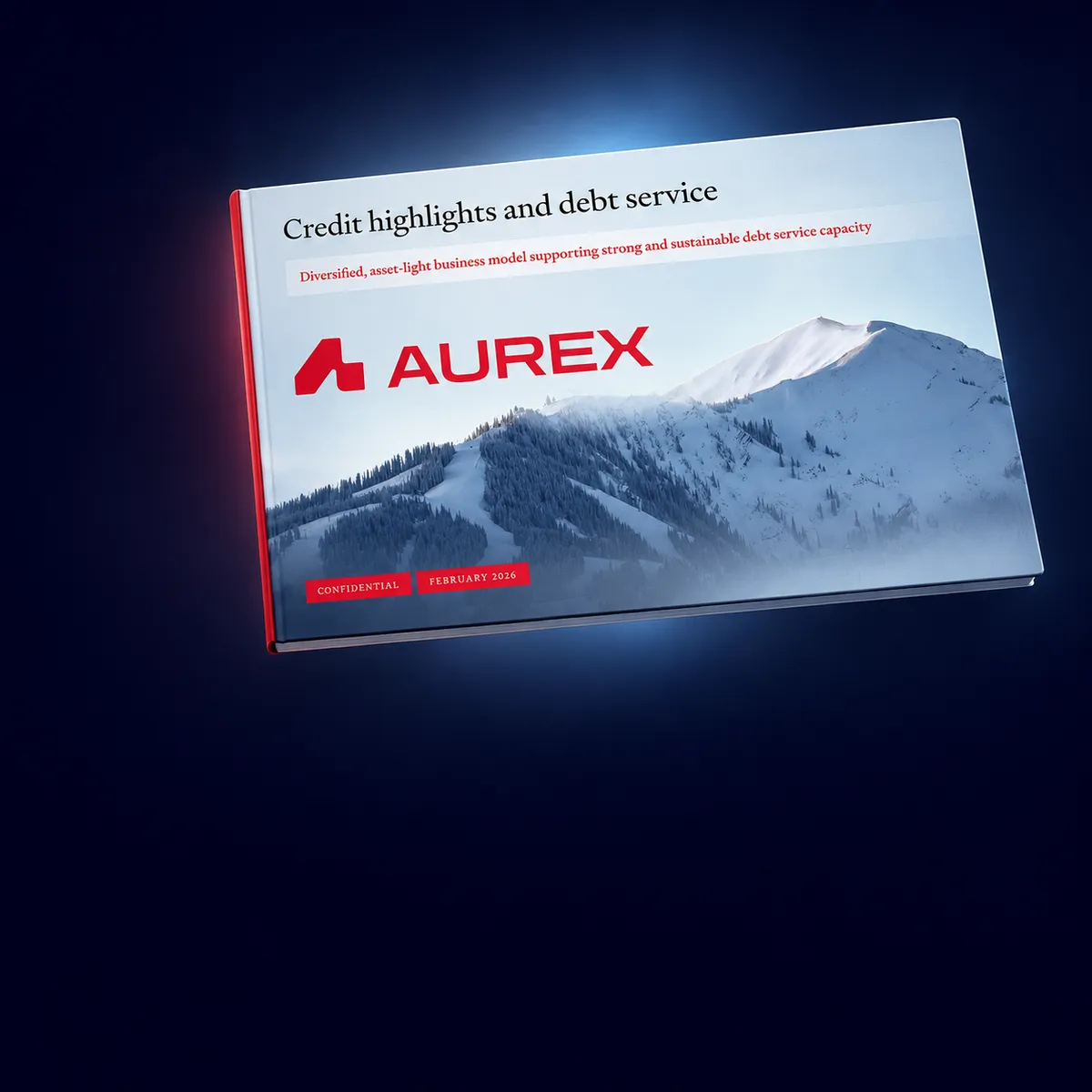
- Investor deck, financial model, valuation, investor list, data room
- Prices
- Deck from $6,000, model from $3,000. Flat fees
- Track record
- $3B+ raised for 600+ startups since 2014
Market data checked on 6 November 2026. Sources are under each section.
Is DeFi still worth building and funding in 2026?
Yes, if the protocol earns real fees and keeps users' money safe. Deposits have shrunk this year, but big fintech apps now run products on DeFi lending markets.
The opportunity
Brokers and exchanges now use DeFi protocols as the engine behind their savings and loan products.
- Robinhood Earn runs on Morpho's lending markets
- Coinbase Borrow lends against tokenised gold through Morpho
- Grant programmes pay for audits, gas fees and early builds
The problem
DeFi deposits have fallen by nearly a quarter since the end of 2025, DefiLlama data shows. Hacks also spread: when one protocol is hit, lenders that took its token can lose too.
Market size
How big is DeFi, and where does the money sit?
DeFi protocols held about $85 billion on 5 November 2026, DefiLlama data shows. Four parts of the market shape what investors fund next:
- Lending: Aave held $16.9 billion in its markets in early November 2026
- Staking: Lido held $21.8 billion of staked assets in early November 2026
- Fintech apps: Coinbase Borrow, which runs on Morpho, has more than $1.7 billion in active loans
- On-chain credit: Maple, a digital asset lender, reports $4.3 billion under management
Venture capital
Are VCs still writing DeFi cheques in 2026?
Yes: DeFi teams closed more deals than most crypto categories in 2026, but the cheques were smaller. Most dollars went to trading, exchange, investing and lending firms instead.
raised by DeFi companies in Q2 2026, second only to trading, exchange, investing and lending
raised by lending network Morpho in June 2026, co-led by Paradigm, a16z crypto and Ribbit
raised by Framework Ventures for its fourth fund in June 2026, which also backs AI and robotics
Who invests in DeFi protocols?
DeFi teams draw on crypto funds that buy equity, tokens or both, and on grant programmes run by protocols. Grants take no equity, so many teams apply before a seed round. For more funds, see our post on VCs investing in Web3.
Investor database
Web3 investors in our database
The funds with the most Web3 investments. Pick a stage, or open a fund for its cheque sizes.
Top 5 by Web3 investments
Investments by industry
- Web 3.049%
- Software & Apps17%
- Media, Events & Entertainment9%
- Rounds
- SeedSeries ASeries C+
- Average cheque
- $0–$100K$100K–$500K$500K–$1M$1M–$3M$3M–$10M
- Based in
- San Francisco, United States
- Invests in
- USA
274 investments in total, 45 tagged Web 3.0.Open the full fund profile
Investments by industry
- Web 3.042%
- Fintech & Financial services20%
- Software & Apps16%
- Rounds
- SeedSeries ASeries C+
- Average cheque
- $500K–$1M$1M–$3M$3M–$10M$10M–$50M
- Based in
- San Francisco, United States
- Invests in
- Israel, LatAm, Europe +3
122 investments in total, 34 tagged Web 3.0.Open the full fund profile
Investments by industry
- Web 3.039%
- Software & Apps20%
- Fintech & Financial services13%
- Rounds
- SeedSeries A
- Average cheque
- $0–$100K$100K–$500K$500K–$1M$1M–$3M$3M–$10M
- Based in
- Menlo Park, United States
- Invests in
- Israel, MENA, LatAm +6
258 investments in total, 34 tagged Web 3.0.Open the full fund profile
Investments by industry
- Web 3.033%
- Software & Apps19%
- Fintech & Financial services17%
- Rounds
- Pre-seedSeedSeries ASeries B
- Average cheque
- $0–$100K$100K–$500K$500K–$1M$1M–$3M$3M–$10M
- Based in
- San Francisco, United States
- Invests in
- USA
406 investments in total, 31 tagged Web 3.0.Open the full fund profile
Investments by industry
- Web 3.029%
- Software & Apps28%
- Fintech & Financial services24%
- Rounds
- Pre-seedSeedSeries ASeries B
- Average cheque
- $0–$100K$100K–$500K$500K–$1M$1M–$3M$3M–$10M
- Based in
- Austin, United States
- Invests in
- Southeast Asia, USA
144 investments in total, 30 tagged Web 3.0.Open the full fund profile
From our investor database.
Where do investors push back on DeFi protocols?
In our Fundraising 2025 study, 56 VCs' top reasons to pass were revenue growth, unit economics, burn and missed milestones. Defensibility and crowded categories followed. A DeFi protocol faces all of these, plus four tests of its own.
One hack can spread
Hackers stole $293 million from Kelp DAO on 18 April 2026. Aave and Compound had accepted its token and were left with $246 million of bad debt.
What investors ask
- What happens to your users if a token you accept is hacked?
What your deck shows
- Audits, a bug bounty and a tested incident plan
- Limits for each collateral asset, and who can change them
Fees that reach the token
In November 2025, Uniswap Labs proposed turning on protocol fees and burning 100 million UNI from the treasury. Investors now ask every protocol how its fees reach token holders.
What investors ask
- How does fee income reach your company, your token or both?
What your deck shows
- Fees, revenue and token incentives, month by month
- Who owns what: the company, the foundation and the DAO
Leaders hold the deposits
Aave alone held $16.9 billion in its markets in early November 2026. That's about a fifth of all value locked in DeFi, by our arithmetic.
What investors ask
- Why would users move money from Aave or Lido to you?
What your deck shows
- The users or assets the leaders don't serve
- Deposits that stay after incentives end
Rules still moving
In April 2025, Congress overturned an IRS rule that would have made some DeFi front ends report as brokers. In May 2025, SEC staff said certain protocol staking isn't a securities offering, in a statement with no legal force.
What investors ask
- Which parts of your product could need a licence, and in which markets?
What your deck shows
- What runs on-chain and what your company runs
- Legal opinions by market, with their dates
How we help you raise
Flat fees agreed before we start. No success fee on advisory work.
Fees, users and security record, told so a DeFi fund can check them on-chain.
Protocol fees, incentives and treasury runway, with a falling-market case.
A range checked against DeFi peers' fees and recent rounds.
DeFi funds, multi-stage firms and grant programmes that fit your stage.
Audit reports, incident logs, governance votes and the cap table, filed for review.
For a sale to an exchange, a fintech or a larger protocol team.




Who we are
Waveup is a London-based fundraising and growth advisory, working in 60+ countries and 90+ industries. Since 2014 we have built the decks, models, CIMs and valuations behind $3B+ raised for 600+ startups.
About usDeFi funding FAQ
How do DeFi projects get funding?
Where can DeFi projects find grants?
Do VCs still invest in DeFi in 2026?
How do you check a DeFi fund before taking its money?
Is DeFi legal in the US?
How much does help with a DeFi raise cost?
Raising for a DeFi protocol?
Tell us what your protocol does, its fees and deposits, and how much you need. We'll tell you which funds and grant programmes fit your stage.