Industry: Lifestyle
Lifestyle brand funding
Outdoor, leisure, home and hobby brands raise from angels, funds and lenders, and many later sell to bigger brands. We help you show why yours can grow faster than its category, and find the investors who fit.
- Outdoor, leisure and hobby market data, with investors named by type
- Decks and models built on repeat use, seasons and stock
- Waveup prepares investor materials for lifestyle companies: $3B+ raised for 600+ startups since 2014
In short
What is lifestyle brand funding?
Lifestyle brand funding is the money that outdoor, leisure, home and hobby brands, and the services around them, raise to grow. Angels, seed funds and corporate funds back early rounds. Growth equity, leisure private equity and inventory lenders come later. Many owners exit through a sale: buyers closed 164 outdoor recreation deals in 2025.
- Who it's for
- Outdoor, leisure, home and hobby brands and services, pre-seed to Series D+
- What we build
- Investor deck, financial model, valuation, investor list, CIM
- Prices
- Deck from $6,000, model from $3,000. Flat fees
- Track record
- $3B+ raised for 600+ startups since 2014
Market data checked on 6 November 2026. Sources are under each section.
Do lifestyle startups still attract investors in 2026?
Yes, when they can grow much faster than their category. People keep spending on free time, but investors now pick brands with loyal customers and healthy margins.
The opportunity
Free time is a big market, and many buyers pay more for brands they trust.
- A record number of Americans spent time outdoors in 2025
- Simulators and golf venues bring new players into the game
- Big groups are betting on access: ski passes, boat clubs and private clubs
The problem
Few VC funds name lifestyle as a focus. After inflation, the outdoor economy grew 2.7% in 2024, so investors want a plan to grow far faster.
Market size
How big is the outdoor and leisure market, and where is it growing?
Outdoor recreation added $696.7 billion to the US economy in 2024, BEA reports. In current dollars, these parts outgrew the whole from 2019 to 2024:
- Hiking and camping: value added from climbing, hiking and tent camping doubled
- Gardening: BEA's group that includes gardening grew 75%
- Guided trips: outfitters and guided tours grew 49%
- Golf and tennis: value added from courses and courts grew 45%
Venture capital
Where does the money for lifestyle startups come from now?
Venture rounds happen, mostly at seed, but we found no yearly funding total for lifestyle startups. Deals tell the story instead: buyers closed 164 outdoor recreation deals in 2025, Capstone counts.
outdoor recreation deals made by private equity in 2025, down from 29 in 2024
average EV/EBITDA in outdoor recreation deals from 2024 to August 2026, against 10.9x in 2018–2020
enterprise value in Malibu Boats' March 2026 deal for Saxdor Yachts
Who invests in lifestyle startups?
Seed and corporate VCs, growth equity, leisure private equity, trade buyers and inventory lenders. For consumer VCs by name, see our list of e-commerce and consumer products venture capital firms.
Investor database
Lifestyle investors in our database
The funds with the most lifestyle investments. Pick a stage, or open a fund for its cheque sizes.
Top 5 by lifestyle investments
Investments by industry
- Healthtech & Wellness15%
- Lifestyle13%
- Software & Apps10%
- Rounds
- Pre-seedSeedSeries ASeries BSeries C+
- Average cheque
- $0–$100K$100K–$500K$500K–$1M
- Based in
- Santa Monica, United States
- Invests in
- USA
112 investments in total, 6 tagged Lifestyle.Open the full fund profile
Investments by industry
- E-commerce & Retail24%
- Legal & Professional services19%
- Consumer Goods & Electronics14%
- Lifestyle14%
- Rounds
- Pre-seedSeedSeries A
- Average cheque
- $500K–$1M$1M–$3M
- Based in
- New York, United States
- Invests in
- USA
69 investments in total, 5 tagged Lifestyle.Open the full fund profile
Investments by industry
- Software & Apps20%
- Transportation & Mobility13%
- Legal & Professional services7%
- Lifestyle5%
- Rounds
- Pre-seedSeedSeries ASeries B
- Average cheque
- Not listed
- Based in
- Japan
- Invests in
- East Asia, Southeast Asia
644 investments in total, 5 tagged Lifestyle.Open the full fund profile
Investments by industry
- Consumer Goods & Electronics26%
- Software & Apps14%
- Healthtech & Wellness14%
- Lifestyle9%
- Rounds
- Pre-seedSeed
- Average cheque
- Not listed
- Based in
- Palo Alto, United States
- Invests in
- USA
17 investments in total, 4 tagged Lifestyle.Open the full fund profile
Investments by industry
- Software & Apps20%
- Healthtech & Wellness8%
- Lifestyle8%
- Rounds
- Pre-seedSeedSeries A
- Average cheque
- $100K–$500K$500K–$1M
- Based in
- Los Angeles, United States
- Invests in
- Europe, Oceania, USA +1
38 investments in total, 4 tagged Lifestyle.Open the full fund profile
From our investor database.
Why do investors hesitate over lifestyle brands?
In our Fundraising 2025 study, 56 VCs told us why they pass. Revenue growth, unit economics, burn and missed milestones came first, then defensibility and crowded categories. Lifestyle brands face four tests of their own.
Pandemic gains that faded
After inflation, value added from boating and fishing fell 17% from 2020 to 2024. Hiking and camping, by contrast, grew.
What investors ask
- How much of your growth came from the 2020–21 rush, and has it held?
What your deck shows
- Sales and repeat buyers by yearly cohort since 2019
- How often customers use what they bought
Tariffs on imported gear
Higher tariff costs cut YETI's 2025 gross margin by 230 basis points. Smaller brands have less room to absorb a hit like that.
What investors ask
- How much of a tariff rise can your prices absorb?
What your deck shows
- Landed cost by product and country of origin
- Which prices, suppliers or sources you can change, and how fast
Growth that tracks the category
Even YETI, a leader in coolers and drinkware, grew sales 2% in 2025. Venture investors need a reason you can grow far faster.
What investors ask
- Why will you grow much faster than the leaders in your category?
What your deck shows
- Where new customers come from, and what each one costs
- A model that scales: repeat use, memberships or a platform
Exits through bigger brands
Trade buyers made 86.3% of outdoor recreation deals in 2026, to 5 August. YETI, for one, plans to selectively pursue tuck-in acquisitions.
What investors ask
- Who are your likely acquirers, and what have they bought before?
What your deck shows
- Recent deals in your category, with buyers and prices
- What you add for a buyer: customers, products or channels
How we help you raise
Flat fees agreed before we start. No success fee on advisory work.
Your brand's case: loyal customers, repeat use and room to grow.
Seasonal sales, stock and cash, month by month.
A range set against outdoor and leisure deals and listed peers.
Seed funds, corporate funds, private equity and lenders that fit your stage.
Supplier, stock and customer records in the order buyers check them.
For a sale to a bigger brand, or a stake sale to a fund.
 $500Kpre-seed

$500K pre-seed raise for a beauty brand
Read the story $10MSeries A

A $10M Series A round for a beverage company
Read the story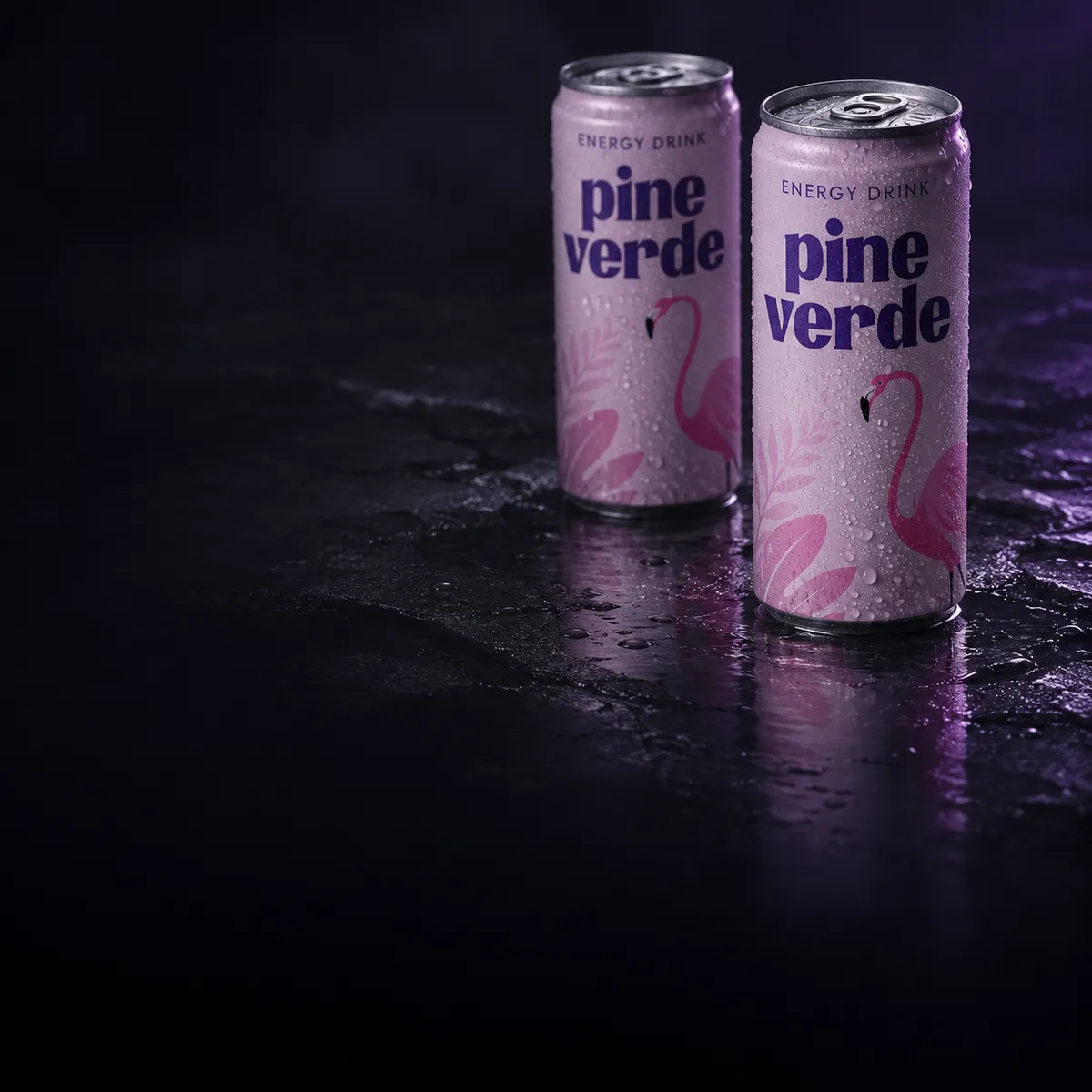 $1.5Mpre-seed closed
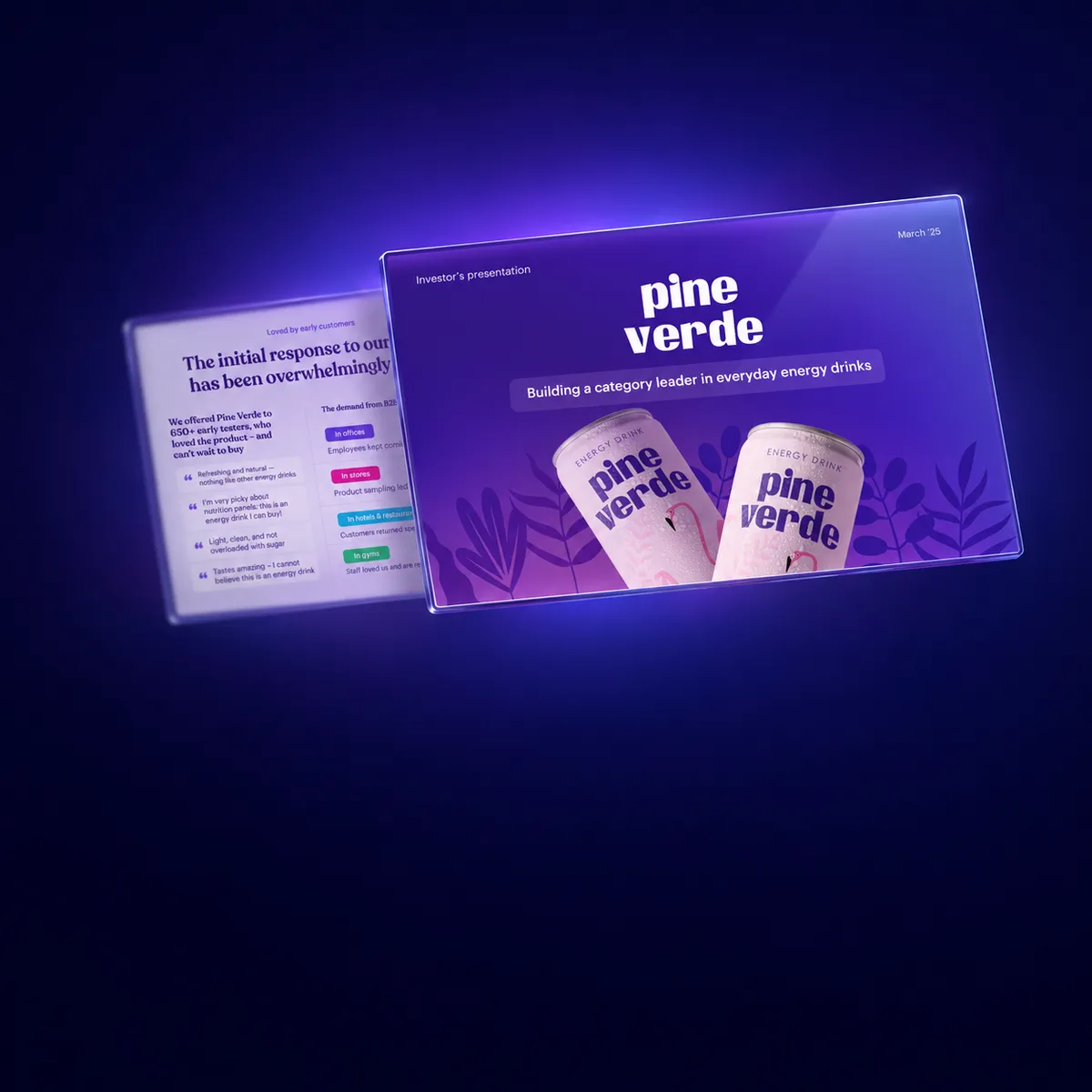
$1.5M beverage pre-seed: investor deck and financial model
Read the story £3Mdebt raise, in market
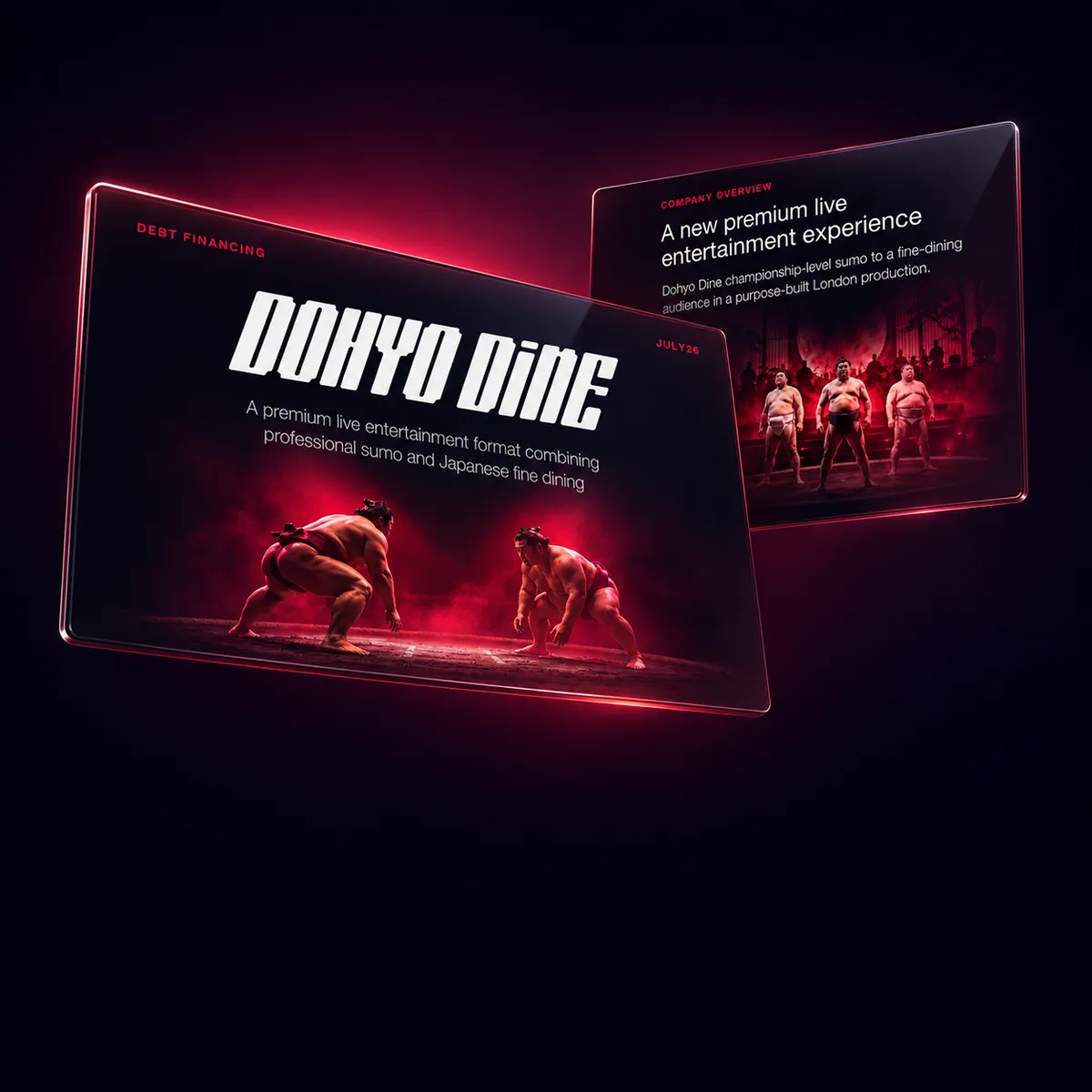
Building the £3M debt deck for a live entertainment company
Read the storyWho we are
Waveup is a London-based fundraising and growth advisory, working in 60+ countries and 90+ industries. Since 2014 we have built the decks, models, CIMs and valuations behind $3B+ raised for 600+ startups.
About usLifestyle brand funding FAQ
How do lifestyle brands get funding?
Do VCs invest in lifestyle startups?
What is a lifestyle startup?
What do investors look for in a lifestyle brand?
Is a lifestyle brand the same as a lifestyle business?
How much does help with a lifestyle brand's raise cost?
Raising for a lifestyle brand?
Tell us what you sell, who buys it and how often they come back. We'll tell you which investors fit your stage.

