Industry: Agriculture and Farming
Agriculture investors
Farms and agribusinesses raise from lenders, landowners, private equity and the big fertilizer and food companies. Each one reads your land, margins and seasonal cash differently, and we shape your materials for that read.
- Investor types and market data for farms, crop inputs and food supply chains
- Decks and models built on acres, yields, prices and working capital
- Waveup prepares investor materials for farms and agribusiness companies: $3B+ raised for 600+ startups since 2014
In short
What are agriculture investors?
Agriculture investors are the lenders, funds and companies that put money into farms, farmland and agribusiness. They include Farm Credit lenders and banks, farmland REITs, agribusiness private equity, development investors and the venture arms of input companies. Land anchors many deals: US farm real estate averaged $4,500 an acre in 2026, USDA says.
- Who it's for
- Farm operators, farmland owners, crop input makers and agri-food supply chain companies, pre-seed to Series D+
- What we build
- Investor deck, financial model, valuation, investor list, data room
- Prices
- Deck from $6,000, model from $3,000. Flat fees
- Track record
- $3B+ raised for 600+ startups since 2014
Market data checked on 6 November 2026. Sources are under each section.
Why do investors still put money into farms and agribusiness in 2026?
Land holds its value and the world will need more food. Margins are thin, though, so investors back businesses that turn land, inputs and logistics into steady cash.
The opportunity
Land, food demand and specialist buyers keep agriculture on investors' lists.
- US farmland values have risen every year since 2022
- The World Bank expects food demand to grow 30% by 2050
- Specialist private equity firms buy into family-owned agribusinesses
The problem
Agriculture got just 2.24% of the world's credit in 2024, FAO found. Lenders lean on land as security, so firms without it must prove steady cash flow.
Market size
How much is US farmland worth, and what moves the market?
US farm real estate is forecast to be worth $3.72 trillion in 2026. That is 83% of everything US farms own. Four forces decide where new money goes:
- Land: Corn Belt farm real estate averaged $8,540 an acre in 2026, the highest of any US region
- Inputs: the World Bank expects fertilizer prices to rise 14% in 2026
- Supply chains: crop farms earned 2.5 cents of each dollar Americans spent on food in 2024
- Credit: loans to agriculture worldwide grew 29% in real terms from 2015 to 2024
Venture capital
Where does money for farms and agribusiness come from in 2026?
US farms are forecast to owe $605.1 billion in 2026, mostly to the Farm Credit System and banks. Equity comes from farmland REITs, agribusiness private equity, development investors and the venture arms of input companies.
growth in Farm Credit System loans during 2025, by our arithmetic on its figures
of US farm real estate debt was held by banks and the Farm Credit System from 2012 to 2022
a year in agri-finance and agribusiness commitments: the World Bank Group's goal for 2030
Who invests in farms and agribusiness?
Agribusiness private equity, a farmland REIT, a development investor, a fertilizer company's venture arm and a Farm Credit lender. For agtech venture funds, see our list of agriculture venture capital firms.
Investor database
Agtech investors in our database
The funds with the most agtech investments. Pick a stage, or open a fund for its cheque sizes.
Top 5 by agtech investments
Investments by industry
- Agritech & Farming24%
- Software & Apps14%
- AI & Deep Tech11%
- Rounds
- SeedSeries ASeries BSeries C+
- Average cheque
- $500K–$1M$1M–$3M$3M–$10M
- Based in
- India
- Invests in
- South Asia
128 investments in total, 21 tagged Agritech & Farming.Open the full fund profile
Investments by industry
- Healthtech & Wellness25%
- Software & Apps23%
- Agritech & Farming12%
- Rounds
- SeedSeries ASeries BSeries C+
- Average cheque
- $1M–$3M$3M–$10M$10M–$50M
- Based in
- Chicago, USA
- Invests in
- USA
214 investments in total, 15 tagged Agritech & Farming.Open the full fund profile
Investments by industry
- Agritech & Farming17%
- Energy & Utilities14%
- Healthtech & Wellness11%
- Rounds
- SeedSeries ASeries BSeries C+
- Average cheque
- $500K–$1M$1M–$3M$3M–$10M
- Based in
- Chicago, United States
- Invests in
- USA
171 investments in total, 13 tagged Agritech & Farming.Open the full fund profile
Investments by industry
- Agritech & Farming20%
- Energy & Utilities18%
- CleanTech & Sustainability12%
- Rounds
- SeedSeries ASeries BSeries C+
- Average cheque
- $0–$100K$100K–$500K$500K–$1M
- Based in
- Beverly Hills, United States
- Invests in
- USA
27 investments in total, 10 tagged Agritech & Farming.Open the full fund profile
Investments by industry
- Agritech & Farming21%
- Software & Apps17%
- Hardware. Robotics & IoT14%
- Rounds
- Pre-seedSeedSeries A
- Average cheque
- $0–$100K$100K–$500K$500K–$1M$1M–$3M$3M–$10M
- Based in
- San Francisco, United States
- Invests in
- USA
126 investments in total, 9 tagged Agritech & Farming.Open the full fund profile
From our investor database.
Which risks do agriculture investors price first?
In our Fundraising 2025 study, 56 VCs named their top reasons to say no. Revenue growth, unit economics, burn and missed milestones led, then defensibility and crowded categories. Farm lenders and agribusiness investors add four checks of their own.
Prices you don't set
The World Bank expects food commodity prices to rise about 10% in 2026. Crop and input prices both move, so margins change from one season to the next.
What investors ask
- What happens to your margin if crop prices fall 20%?
What your deck shows
- Margin per acre or per tonne at low, base and high prices
- Contracts, hedges or storage that steady your cash
Bad weather years
Disasters cost agriculture about $99 billion a year from 1991 to 2023, FAO estimates. One drought or flood can wipe out a season's income.
What investors ask
- How does the business get through a drought or a flood year?
What your deck shows
- Insurance cover and the cash buffer behind it
- A spread across regions, crops or customers
Capital locked in land
US farm real estate debt is forecast to reach $399.0 billion in 2026. Land ties up money that could pay for growth.
What investors ask
- Should you own the land, lease it, or sell it and lease it back?
What your deck shows
- Returns with and without the land on your balance sheet
- Lease terms or a sale-leaseback offer you can compare
Cash between planting and payment
Farms pay for seed, fertilizer and wages months before a crop is sold. US farm non-real-estate debt is forecast at $206.1 billion in 2026.
What investors ask
- How much cash do you need at the low point of the season?
What your deck shows
- Monthly cash flow through a full season
- Operating lines and supplier terms sized to that low point
How we help you raise
Flat fees agreed before we start. No success fee on advisory work.
Your land, crops, contracts and margins, in the order investors read them.
Crop prices, input costs and seasonal cash, month by month.
A range built on land values, cash flow and comparable farm deals.
Farm lenders, farmland funds and agribusiness private equity that fit your plan.
Land titles, leases, supply contracts and yield records, filed for review.
For a family business sale or a buyer from the food or input trade.
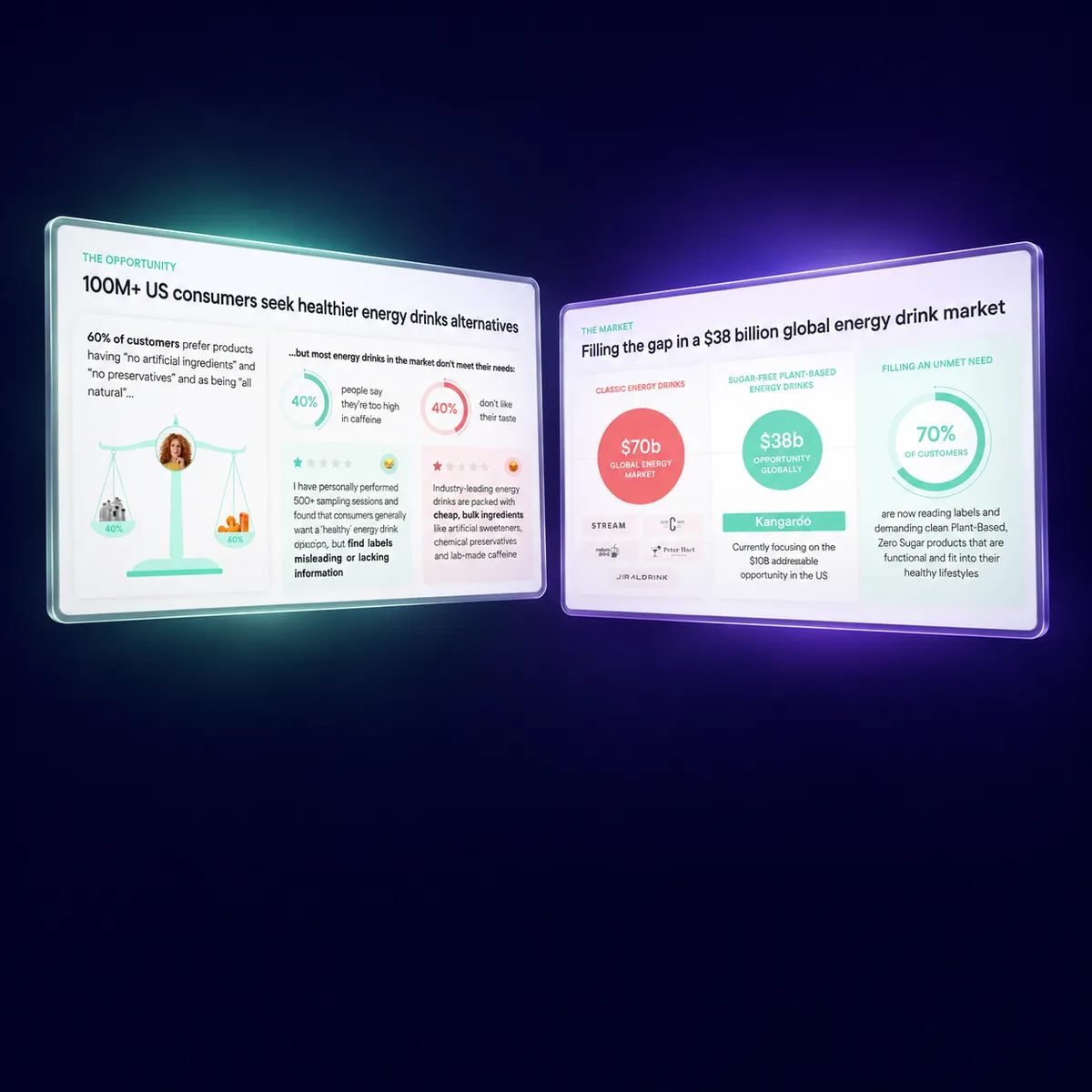
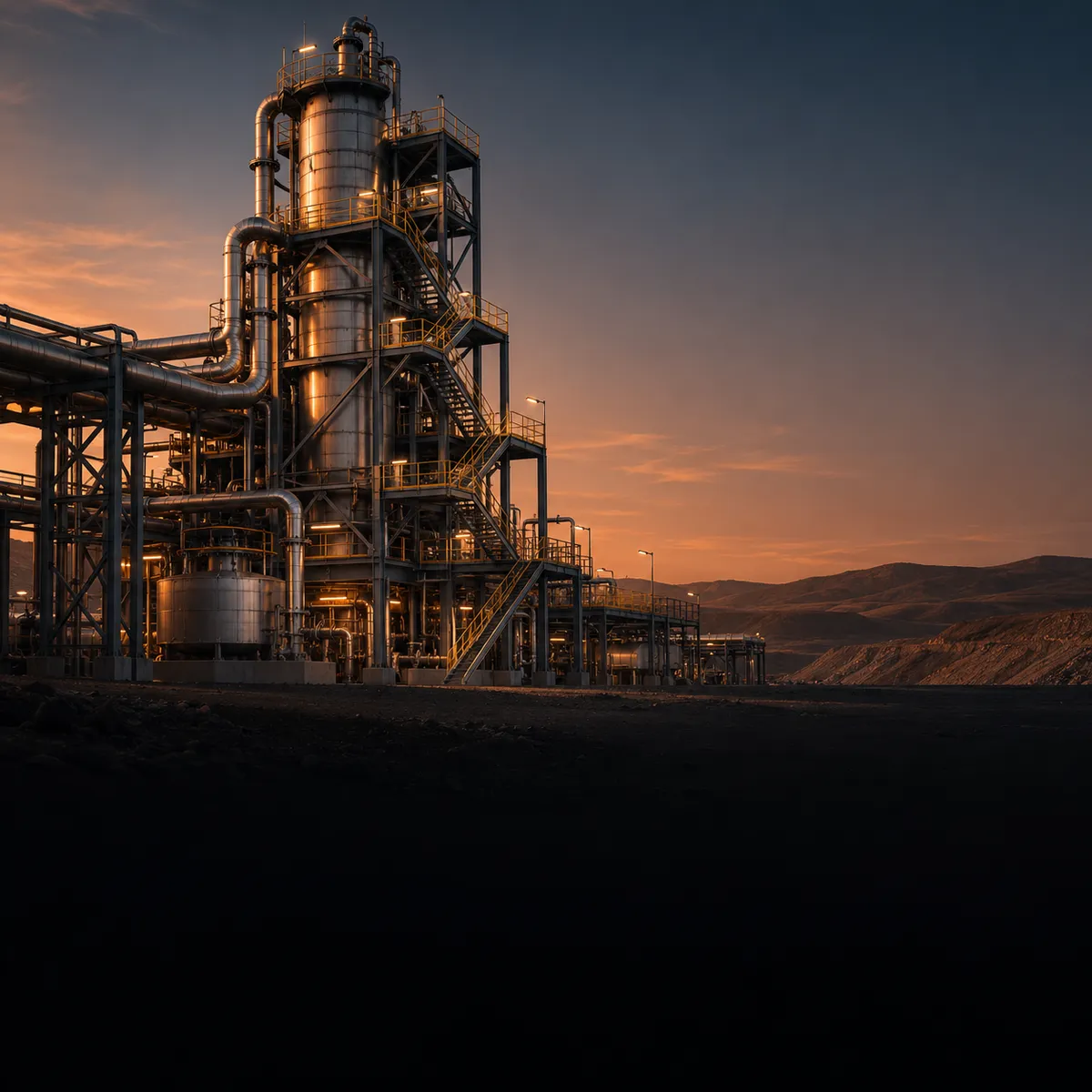
Raises we supported in food distribution and drinks, and a mining investment case built for banks and investors.




Who we are
Waveup is a London-based fundraising and growth advisory, working in 60+ countries and 90+ industries. Since 2014 we have built the decks, models, CIMs and valuations behind $3B+ raised for 600+ startups.
About usAgriculture investors FAQ
Who are the top investors in agriculture?
Which private equity firms invest in agriculture?
How do farms and agribusinesses raise money?
Why are investors buying farmland?
What do agriculture investors look for before they invest?
How much does help with an agriculture raise cost?
Industries we work with
Agriculture and Farming
- Agriculture and Farming
- AgTech
- Animal Health
- Vertical Farming
Raising for a farm or agribusiness?
Tell us what you grow, make or move, and how much you need. We'll show you what lenders and investors will check first.

