Industry: Mobile home parks
Mobile home park syndication
Park sponsors pair equity from limited partners with Fannie Mae, Freddie Mac or bank loans. Park values slipped in 2025, so LPs and lenders now read the numbers more closely.
- Agency lending, home supply and rent-rule data for land-lease parks
- Decks and models built on lot rents, park-owned homes and debt terms
- Waveup prepares investor materials for mobile home park sponsors, funds and operators: $3B+ raised for 600+ startups since 2014
In short
What is mobile home park syndication?
Mobile home park syndication is a group purchase of a manufactured housing community, led by a sponsor and funded by investors. Residents usually own their homes and rent only the lot. The sponsor raises the equity, fills empty lots and runs the park. Most deals also use agency or bank debt; Freddie Mac alone bought loans on 219 parks in 2025.
- Who it's for
- Park sponsors and syndicators, mobile home park funds and operators
- What we build
- Investor deck, financial model, valuation, investor list, data room
- Prices
- Deck from $6,000, model from $3,000. Flat fees
- Track record
- $3B+ raised for 600+ startups since 2014
Market data checked on 8 November 2026. Sources are under each section.
Why are investors buying mobile home parks?
Residents own their homes, moving one is costly, and few new parks get built. But park values slipped in 2025, so sponsors now have to prove their numbers.
The opportunity
Existing parks run at high occupancy, and new ones are hard to build.
- A new manufactured home sells for a fraction of a new house's price
- Fannie Mae and Freddie Mac both buy loans on parks
- A 2026 federal law drops the permanent-chassis rule and renews federal grants to develop parks
The problem
Through the third quarter of 2025, sales of institutional-quality parks were on track for their lowest level since 2015. Fannie Mae also saw more forced refinancings and strained exits by undercapitalised sponsors.
Market size
How big is the US manufactured housing market?
US factories shipped 102,800 new manufactured homes in 2025, Census figures show. Here is what moves demand for park lots:
- Price: a new manufactured home sold for $129,400 on average in June 2026
- Gap: the median new site-built house sold for $410,200 that month
- Pace: shipments ran about 3% behind 2025 in the first nine months of 2026
- Law: a July 2026 act ends the permanent-chassis rule, and HUD must revise its standards
Debt and equity
Who lends on mobile home parks, and how much?
Fannie Mae and Freddie Mac buy park loans from approved lenders, and both require resident lease protections. Lending by banks, CMBS, debt funds and REITs hit a decade high in 2025, leaving aside the early pandemic, Fannie Mae says.
lent on parks by Fannie Mae in 2025, for 206 communities
growth in Fannie Mae's park loan production in 2025
of all park financing in 2022 and 2023 came from Fannie Mae, by its own estimate
Who invests in mobile home parks?
Agency lenders, listed and private park owners, and lenders to resident co-ops. Sponsors raise their own equity from accredited investors, family offices and co-GP partners.
Investor database
Proptech investors in our database
The funds with the most proptech investments. Pick a stage, or open a fund for its cheque sizes.
Top 5 by proptech investments
Investments by industry
- Real Estate & Proptech35%
- Software & Apps27%
- Fintech & Financial services8%
- Rounds
- Pre-seedSeedSeries A
- Average cheque
- Not listed
- Based in
- Miami, United States
- Invests in
- USA
28 investments in total, 17 tagged Real Estate & Proptech.Open the full fund profile
Investments by industry
- Real Estate & Proptech26%
- Social media18%
- Transportation & Mobility18%
- Rounds
- SeedSeries ASeries BSeries C+
- Average cheque
- Not listed
- Based in
- Chicago, United States
- Invests in
- USA
168 investments in total, 17 tagged Real Estate & Proptech.Open the full fund profile
Investments by industry
- Real Estate & Proptech28%
- Software & Apps25%
- Fintech & Financial services11%
- Rounds
- Pre-seedSeedSeries ASeries B
- Average cheque
- Not listed
- Based in
- Belgium
- Invests in
- Europe
14 investments in total, 16 tagged Real Estate & Proptech.Open the full fund profile
Investments by industry
- Real Estate & Proptech40%
- Software & Apps20%
- Fintech & Financial services14%
- Rounds
- SeedSeries A
- Average cheque
- Not listed
- Based in
- São Paulo, Sao Paulo, Brazil
18 investments in total, 14 tagged Real Estate & Proptech.Open the full fund profile
Investments by industry
- Software & Apps19%
- Real Estate & Proptech17%
- Energy & Utilities16%
- Rounds
- Pre-seedSeedSeries ASeries B
- Average cheque
- $500K–$1M$1M–$3M$3M–$10M
- Based in
- Denmark
- Invests in
- Israel, Europe, USA
27 investments in total, 13 tagged Real Estate & Proptech.Open the full fund profile
From our investor database.
Why do lenders and LPs pass on park deals?
We interviewed 56 VCs for our Fundraising 2025 study. Their top reasons to pass were revenue growth, unit economics, burn and missed milestones, then defensibility and crowded categories. For a park, the same doubts take four forms.
Values under pressure
Parks that sold in 2025 went for higher cap rates after almost a decade of falling ones, Fannie Mae found. It reads that as lower values and softer income.
What investors ask
- What is the park worth if cap rates stay this high when you sell?
What your deck shows
- Value at today's cap rate and at a higher exit rate
- When the loan matures, and how you refinance it
Lenders want park experience
Freddie Mac asks for a sponsor with two or more years of running parks who already owns another one. First-time sponsors often bring in a partner with that record.
What investors ask
- Who on your team has run parks, and how did those parks do?
What your deck shows
- Each park you have run, with occupancy before and after
- Your property manager and their park record
Homes the park owns
Freddie Mac caps homes owned by the borrower's affiliates or investors at 25% of a park. It also prefers every home to meet the federal HUD Code.
What investors ask
- How many homes does the park own, and what happens to them?
What your deck shows
- Homes by owner, age and condition
- A plan and budget to sell or replace park-owned homes
Rent rules and resident rights
New York caps most lot rent rises at 3%. Owners need higher costs to go further, and a court's approval to pass 6%.
What investors ask
- Does your rent plan still work under state law and the lender's rules?
What your deck shows
- Rent rises by year, checked against state limits
- Leases that already meet the agency protections
How we help you raise
Flat fees agreed before we start. No success fee on advisory work.
The park or fund story: lot rents, homes, plan and team.
Lot rents, home sales, debt and the LP waterfall, year by year.
A park or portfolio value you can defend to lenders.
Family offices, co-GPs and LP networks that back park deals.
Rent rolls, utility bills, home titles and loan papers, in order.
For selling a park portfolio or recapitalising a platform.
Our nearest live cases: an LP raise for a multifamily fund, a mixed-use development, an office purchase and a lender deck. We have also built a Fund II investor deck for a mobile home park fund.
 $100Msecured
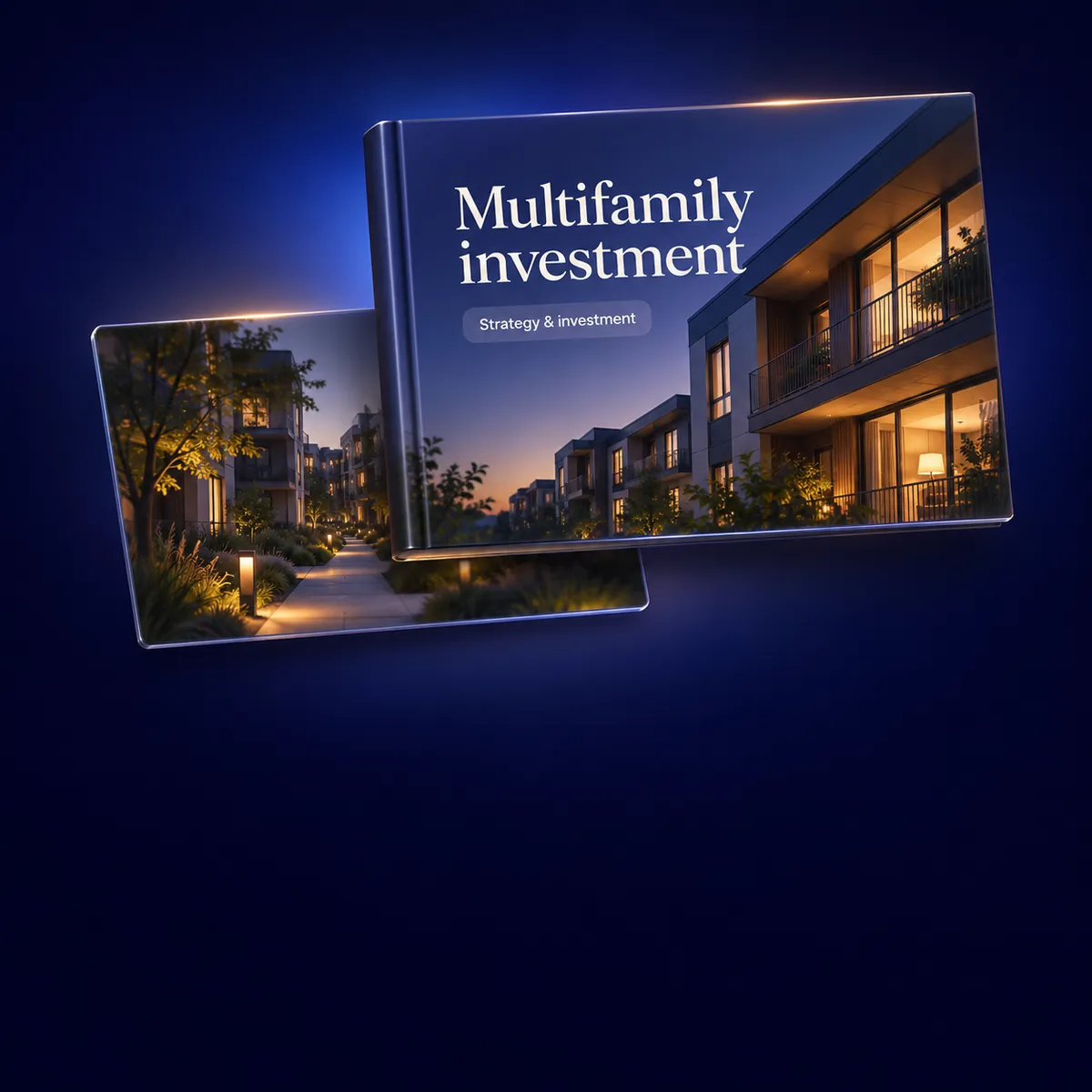
$100M multifamily real estate fund raise
Read the story $149Mraised

A $149M raise for a pioneering mixed-use real estate development
Read the story Class Aoffice acquisition, capital secured
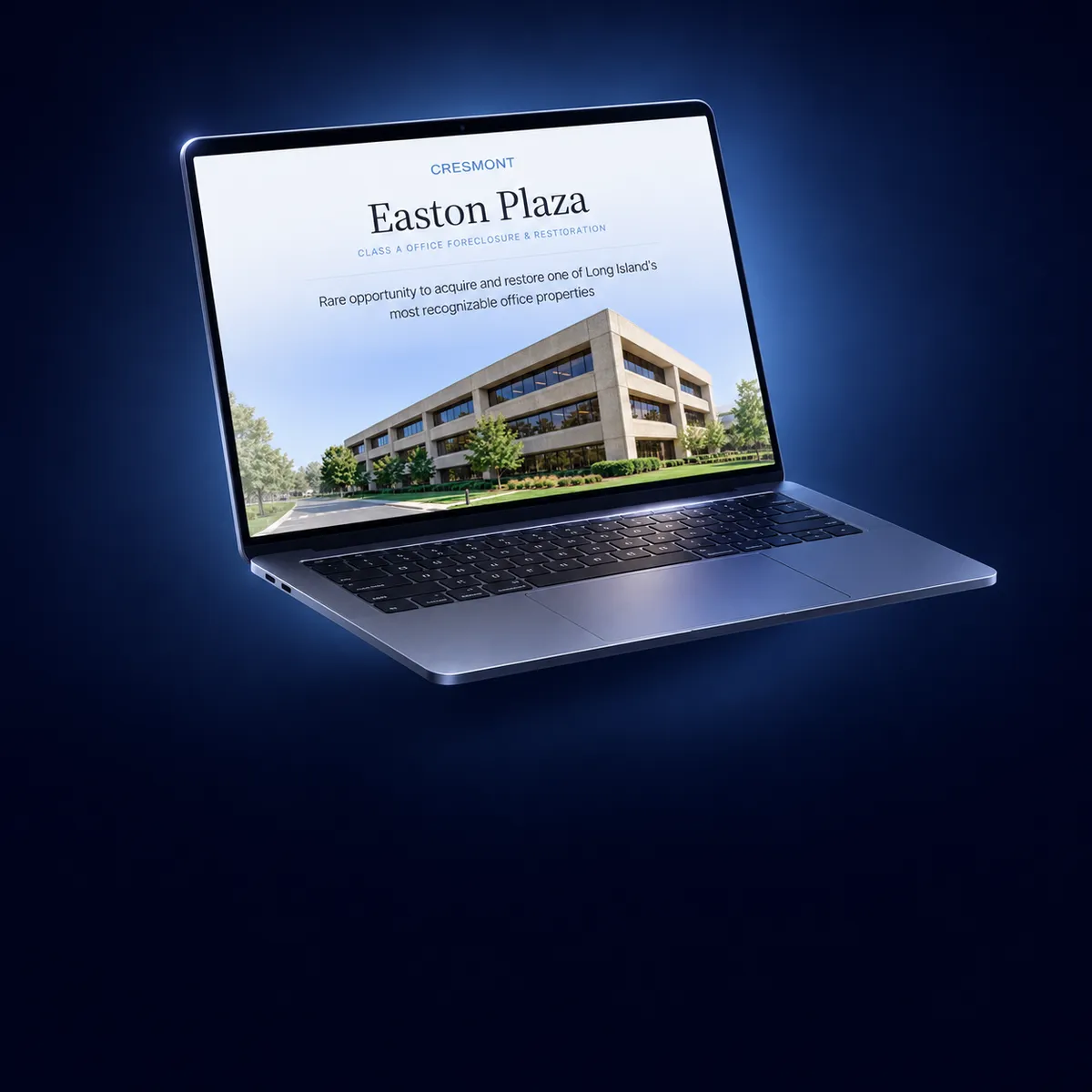
Pitchbook for a Class A office acquisition
Read the story 72hbrief to final
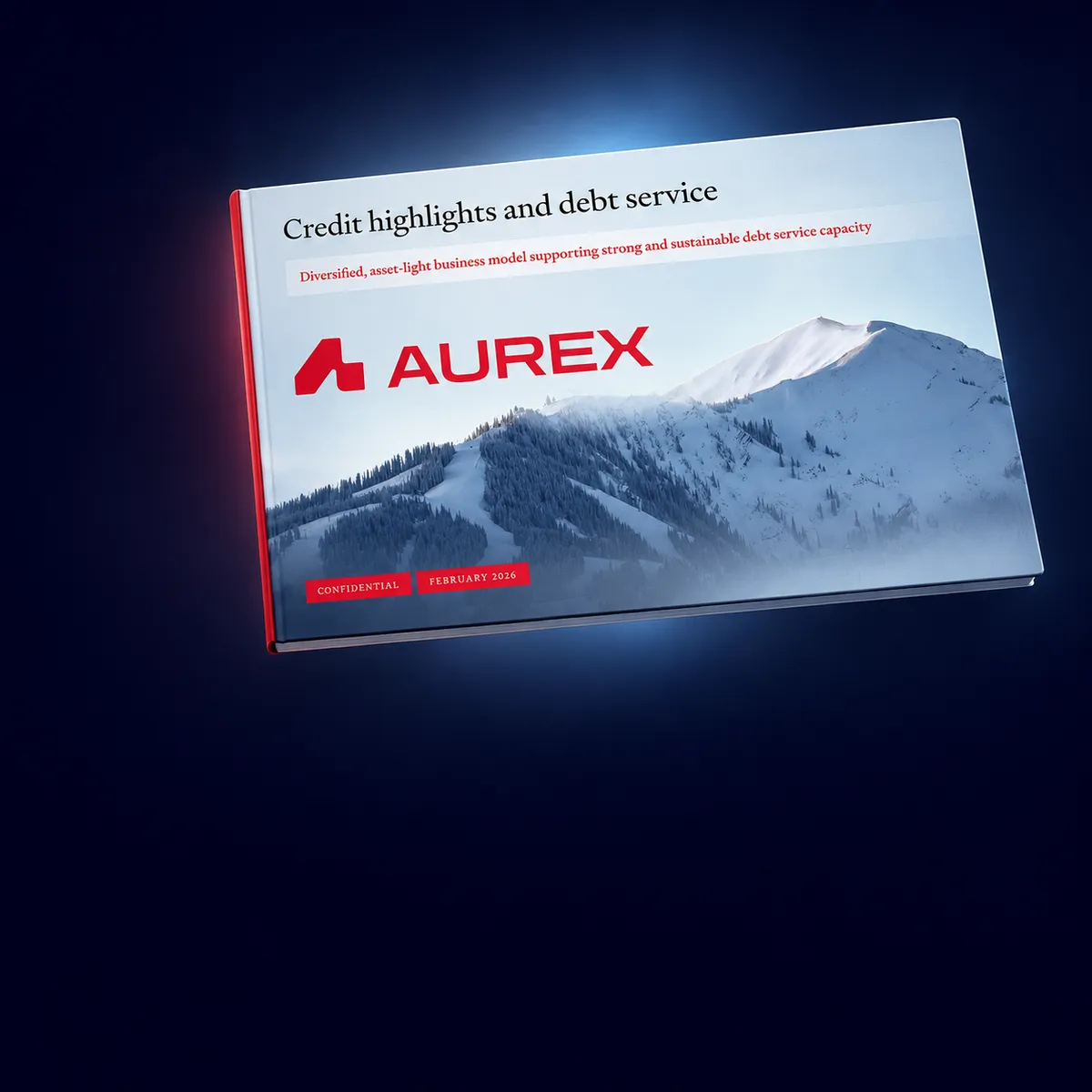
Designing an acquisition financing deck in 72 hours
Read the storyWho we are
Waveup is a London-based fundraising and growth advisory, working in 60+ countries and 90+ industries. Since 2014 we have built the decks, models, CIMs and valuations behind $3B+ raised for 600+ startups. 30% of our clients are funds; fund raises from $10M to $300M+.
About usMobile home park syndication FAQ
How does a mobile home park syndication work?
Will a bank finance a mobile home park?
Which SEC rules apply to a mobile home park syndication?
What do LPs look at in a mobile home park deal?
What are tenant protections on agency park loans?
How much does help with a mobile home park raise cost?
Raising for a mobile home park or park fund?
Send us the park, the loan you have in mind and your track record. We'll tell you what LPs and lenders will ask first.

